Love this? Save it for later!
Share the inspiration with your friends
I was standing in line at the hardware store—of all places—when the man behind me started talking about coconut cream. He was holding a single lightbulb and a length of rope, and I was trying to decide if I needed a new drill bit. “You have to use the right kind,” he said, nodding at my shopping basket like we were in the middle of a conversation. “The canned stuff, not the carton. It makes or breaks the coquito.”
Turns out, Roberto was a retired chef who had spent thirty years running a small Puerto Rican restaurant in Chicago. He told me his family’s coquito recipe had been passed down through four generations, and he shared the secret over the paint sample display. I scribbled notes on the back of a receipt while he explained why you toast the spices first and never, ever use sweetened condensed milk from a brand that rhymes with “bland.” I mean, honestly—who expects cooking advice from a guy buying a single lightbulb?
I went home that afternoon, cracked open a can of coconut cream, and made my first batch. The kitchen smelled like Christmas in the Caribbean. That was three winters ago, and I haven’t bought a bottle of store-bought coquito since. Maybe you’ve been there—standing in an aisle somewhere, totally unprepared for the recipe wisdom that’s about to hit you. Let me tell you, this creamy authentic Puerto Rican coquito for the holidays is the kind of drink that makes you slow down and actually taste the season.
Why You’ll Love This Recipe
This isn’t just another holiday drink recipe. I’ve tested this version more times than I can count—tweaking the spice ratio, swapping coconut milks, and even accidentally making a batch that tasted like suntan lotion (don’t ask). What I landed on is the real deal: a creamy authentic Puerto Rican coquito for the holidays that tastes like it came straight from Abuela’s kitchen.
- Quick & Easy: Comes together in about 15 minutes of active prep. No cooking, no complicated steps—just blending and chilling.
- Simple Ingredients: You probably already have cinnamon sticks and vanilla in your pantry. The only special item is coconut cream, which is easy to find at most grocery stores.
- Perfect for Holiday Gatherings: This is the drink that shows up at Nochebuena, Christmas brunch, and New Year’s Eve parties across Puerto Rico and beyond.
- Crowd-Pleaser: Every single person I’ve served this to has asked for the recipe. Even my uncle who “doesn’t do sweet drinks” finished his glass.
- Unbelievably Delicious: The texture is velvety without being heavy, and the blend of cinnamon, vanilla, and coconut creates this warm, cozy flavor that just feels like the holidays.
What makes this version different? I toast the cinnamon sticks before blending them into the coconut cream base. It’s a tiny extra step, but it unlocks this deep, almost smoky warmth that you don’t get from just dumping in ground cinnamon. Plus, I use a specific ratio of coconut cream to evaporated milk that gives you that signature richness without feeling like you’re drinking liquid butter. This is comfort in a glass—holiday magic you can actually make yourself.
What Ingredients You Will Need
This recipe uses simple, pantry-friendly ingredients to create that signature creamy authentic Puerto Rican coquito for the holidays. Most of these are easy to find, and I’ve included notes on what to look for so you get the best results every time.
- Canned coconut cream (15 ounces) – This is the backbone of your coquito. Look for brands like Goya or Chaokoh in the international aisle. Don’t use coconut milk from a carton—it’s too thin and will make your coquito watery.
- Evaporated milk (12 ounces) – Adds creaminess without making the drink too heavy. I prefer Carnation brand for consistent results.
- Sweetened condensed milk (14 ounces) – This is where the sweetness comes from. Use a good brand like La Lechera. If you’re dairy-free, there are excellent coconut-based sweetened condensed milks available now.
- Cream of coconut (15 ounces) – Don’t confuse this with coconut cream! Cream of coconut (like Coco López) is sweetened and adds both flavor and body. It’s the secret to that silky texture.
- White rum (1 cup) – Use a good-quality white rum like Bacardí or Don Q. The rum flavor should be present but not overpowering. You can adjust the amount to taste—some folks like it stronger, some prefer a lighter touch.
- Cinnamon sticks (3-4) – Toast these in a dry pan for 2-3 minutes until fragrant. This step is non-negotiable if you want that deep, warm spice flavor.
- Vanilla extract (1 teaspoon) – Pure vanilla extract makes a difference. Skip the imitation stuff here—your coquito deserves the real thing.
- Ground cloves (¼ teaspoon) – Just a pinch adds that classic holiday spice note. Too much can be overwhelming, so measure carefully.
- Ground nutmeg (¼ teaspoon) – Freshly grated is amazing if you have it, but pre-ground works fine too.
- Salt (a pinch) – Sounds weird, but salt balances the sweetness and brings all the flavors together. Trust me on this one.
For the toasted cinnamon sticks, I recommend buying a small batch from a spice shop or bulk bin section—they’re often fresher and more aromatic than the ones in jars. If you can’t find cream of coconut, you can substitute with additional coconut cream plus a couple tablespoons of sugar, but the texture won’t be quite as smooth.
Equipment Needed
- High-speed blender – A Vitamix or Ninja works perfectly. A regular blender will also do the job, just blend a little longer to ensure everything is smooth.
- Small skillet – For toasting the cinnamon sticks. Use a dry pan over medium heat.
- Fine-mesh strainer – Optional but recommended. Straining removes any tiny cinnamon particles and gives you an ultra-smooth finish.
- Glass bottles or jars – Swing-top bottles look festive and seal well. Mason jars work great too. Make sure they’re clean and dry before filling.
- Measuring cups and spoons – Accurate measurements matter here, especially with the rum and spices.
- Funnel – Makes pouring into bottles much less messy. I learned this the hard way after spilling coquito all over my counter.
If you don’t have a high-speed blender, no worries—just let the toasted cinnamon sticks steep in the coconut cream for 15 minutes before blending. That extra time helps release the flavor even with a standard blender. As for bottles, I’ve picked up some nice swing-top ones at thrift stores for a dollar each. Budget-friendly and they look beautiful on the counter.
Preparation Method
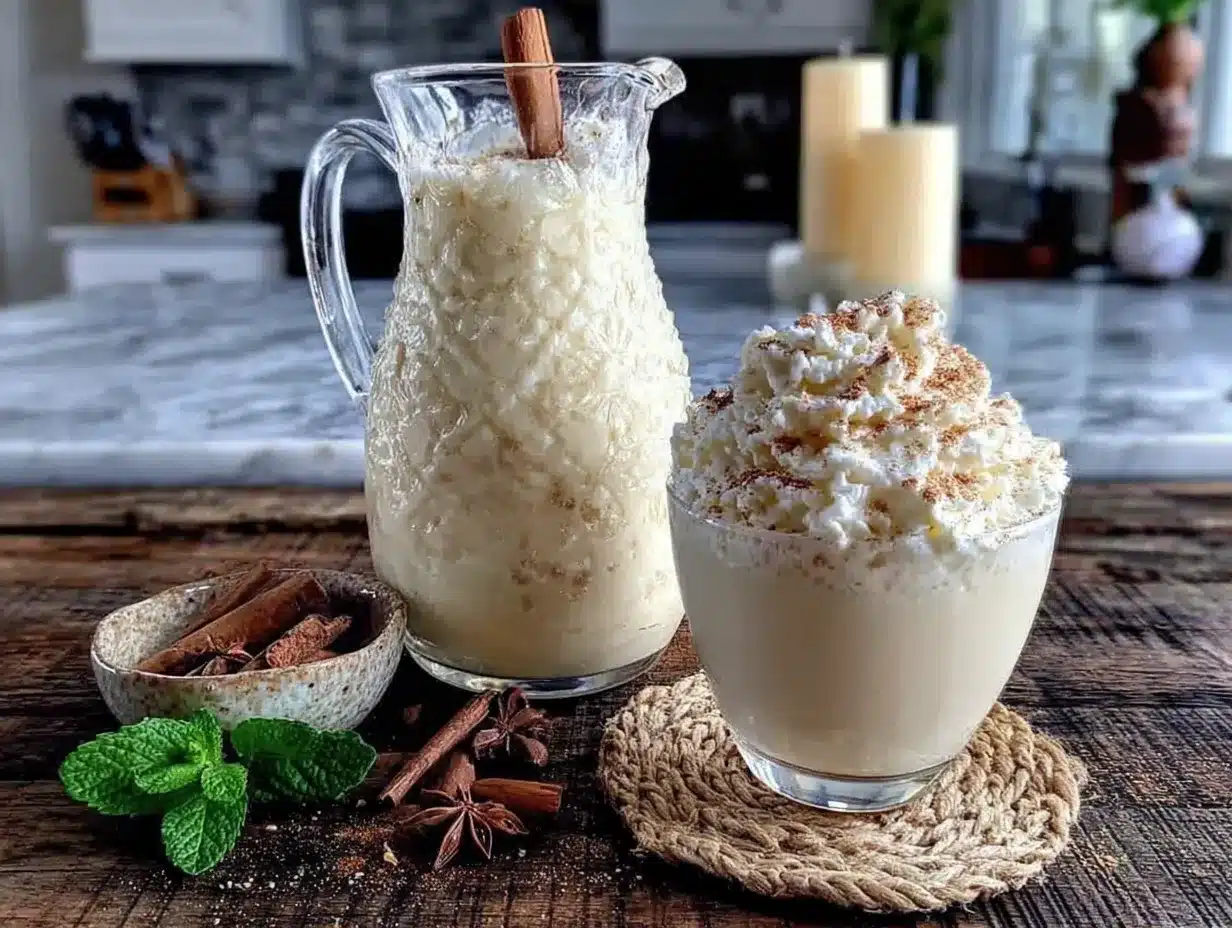
- Toast the cinnamon sticks. Place 3-4 cinnamon sticks in a dry skillet over medium heat. Shake the pan occasionally and toast for 2-3 minutes until they smell warm and fragrant. Don’t walk away—they can burn quickly. You’ll know they’re ready when the aroma fills your kitchen. Set them aside to cool for a minute.
- Combine the liquid ingredients. In your blender, add the canned coconut cream, evaporated milk, sweetened condensed milk, and cream of coconut. Blend on low for about 10 seconds just to combine. The mixture will look thick and creamy already—this is a good sign.
- Add the spices and rum. Drop in the toasted cinnamon sticks, vanilla extract, ground cloves, ground nutmeg, and a pinch of salt. Pour in 1 cup of white rum. If you want a milder drink, start with ¾ cup—you can always add more later.
- Blend until smooth. Start on low speed and gradually increase to high. Blend for 45-60 seconds until everything is fully incorporated and the cinnamon sticks have broken down into small pieces. The mixture should be pale ivory in color and smell like a holiday candle.
- Strain the mixture (optional but recommended). Place a fine-mesh strainer over a large bowl or pitcher. Pour the blended coquito through the strainer to catch any cinnamon stick fragments. Use a spatula to press the liquid through. This step gives you that silky, restaurant-quality texture.
- Chill thoroughly. Transfer the strained coquito to your bottles or jars. Seal tightly and refrigerate for at least 4 hours, but overnight is even better. The flavors need time to meld and mellow. I’ve made the mistake of serving it too soon—it’s good right away, but it’s magical after a full day in the fridge.
- Shake before serving. Coconut cream can separate as it sits, so give the bottle a good shake before pouring. Serve cold in small glasses—coquito is rich, so a little goes a long way. Garnish with a cinnamon stick or a sprinkle of ground nutmeg if you’re feeling fancy.
One thing I learned the hard way: don’t over-blend the cinnamon sticks. If you blend for too long, the heat from the blender can make the drink slightly warm, and the cinnamon can release bitterness. Stick to 60 seconds max. Also, if your coquito seems too thick after chilling, stir in a splash of evaporated milk or coconut milk to thin it out. Every brand of coconut cream has slightly different thickness, so adjust as needed.
Cooking Tips & Techniques
Toasting the cinnamon sticks is the single most important technique in this recipe. I once skipped it because I was in a hurry, and the coquito tasted flat—like something was missing but I couldn’t put my finger on it. The toasting process releases essential oils that give the cinnamon a deeper, almost woody flavor that ground cinnamon just can’t replicate. Do it in a dry pan, not with oil, and keep the heat at medium. You’ll smell when it’s ready.
Another common mistake is using the wrong type of coconut milk. I’ve seen recipes call for “coconut milk” without specifying, and people grab the refrigerated carton kind meant for cereal. That stuff is too thin and will leave you with a watery, sad coquito. Stick with canned coconut cream—it’s thick, rich, and gives you that luscious mouthfeel.
Temperature matters too. I once blended everything straight from the fridge, and the coconut cream seized up into little chunks. Let your canned ingredients come to room temperature before blending. It takes 15 minutes on the counter and makes a huge difference in texture.
When it comes to rum, don’t skimp on quality. I tried a budget bottle once, and the coquito had this harsh, rubbing-alcohol aftertaste that ruined the whole batch. A mid-range white rum like Don Q or Bacardí Silver works beautifully. If you want a non-alcoholic version, simply omit the rum and add an extra ½ cup of coconut cream—it’s still delicious and kid-friendly.
Finally, patience is key. The coquito needs at least 4 hours to chill and meld, but overnight is where the magic happens. I’ve made batches on December 23rd that tasted completely different (and better) on Christmas Day. The flavors marry together, the alcohol mellows, and the spices settle into this perfect harmony. Trust the process.
Variations & Adaptations
- Dairy-Free/Vegan Version: Replace evaporated milk with full-fat oat milk or additional coconut cream. Use a dairy-free sweetened condensed milk (Nature’s Charm makes a great one). The texture will be slightly lighter but still creamy and delicious.
- Spiced Chai Coquito: Steep 2 chai tea bags in ¼ cup of warm coconut cream for 10 minutes before blending. Remove the bags and proceed with the recipe. The chai spices—cardamom, ginger, black pepper—add a lovely complexity that pairs beautifully with the cinnamon.
- Chocolate Coquito: Melt 4 ounces of dark chocolate and blend it into the mixture along with the other ingredients. Use a chocolate liqueur like Godiva instead of white rum for an extra decadent twist. My sister tried this variation last year and now refuses to make coquito any other way.
- Less Sweet Version: Reduce the sweetened condensed milk to 10 ounces (about ¾ of a can) and add an extra splash of evaporated milk. You can also use a “light” sweetened condensed milk if you can find it. The coquito will still be sweet, but not cloying.
- Spiked with Spiced Rum: Swap half the white rum for spiced rum like Captain Morgan. This adds notes of vanilla and clove that complement the existing spices. I did this by accident once (grabbed the wrong bottle) and it turned out to be a happy mistake.
If you’re serving a crowd with varying dietary needs, make a base batch without rum and divide it. Add rum to half and leave the other half as a virgin version. Label the bottles clearly—trust me, you don’t want to mix them up at a party.
Serving & Storage Suggestions
Serve your creamy authentic Puerto Rican coquito for the holidays well-chilled, straight from the fridge. Pour it into small glasses—like shot glasses or small juice glasses—since it’s rich and meant to be sipped slowly. Garnish with a cinnamon stick, a star anise pod, or a light dusting of ground nutmeg. For a festive touch, rim the glass with toasted coconut flakes or a mixture of cinnamon and sugar.
Coquito pairs beautifully with traditional holiday treats. Serve it alongside pasteles, arroz con gandules, or a plate of polvorones (Puerto Rican shortbread cookies). It’s also wonderful with a simple slice of pound cake or vanilla flan. If you’re hosting a holiday brunch, set out a pitcher of coquito with a tray of fresh fruit and cheese—it’s unexpected but works surprisingly well.
For storage, keep the coquito in sealed glass bottles or jars in the refrigerator. It will stay fresh for up to 2 weeks—if it lasts that long. The flavors actually continue to develop over the first few days, so day 3 or 4 is often the sweet spot. Do not freeze coquito; the coconut cream can separate and become grainy when thawed.
To reheat? You don’t. Coquito is served cold. But if you’ve let it sit out and it’s warmed up a bit, just pop it back in the fridge for 30 minutes and give it a good shake. The alcohol content helps preserve it, but always check for any off smells or separation before serving if it’s been sitting for more than a week.
Nutritional Information & Benefits
Here’s an approximate nutritional breakdown per 4-ounce serving (makes about 12 servings):
- Calories: 285
- Fat: 16g (mostly from coconut, which contains healthy medium-chain triglycerides)
- Carbohydrates: 28g
- Protein: 4g
- Sugar: 24g (from natural and added sources)
- Sodium: 85mg
While coquito is definitely a treat (it is a holiday drink, after all), there are some redeeming qualities. Coconut cream contains lauric acid, which has antimicrobial properties and supports immune health—perfect for cold and flu season. Cinnamon is packed with antioxidants and can help regulate blood sugar. And let’s be honest, the mental health benefits of sitting down with loved ones and sharing something homemade are priceless.
If you’re watching your sugar intake, you can reduce the sweetened condensed milk as mentioned in the variations. For a lower-calorie option, use light coconut milk instead of cream of coconut (though the texture won’t be as luxurious). This recipe contains dairy and coconut, so it’s not suitable for those with allergies to either. Always check labels if serving to guests with dietary restrictions.
Conclusion
This creamy authentic Puerto Rican coquito for the holidays is more than just a drink—it’s a tradition you can start this year and pass down for generations. I still think about Roberto at the hardware store every time I make a batch. There’s something special about a recipe that comes to you in an unexpected moment, from an unexpected person, and then becomes part of your own story.
I’d love for you to try this and make it your own. Adjust the rum, play with the spices, add a splash of something unexpected. The best coquito is the one that tastes like your holidays, your family, your kitchen. Leave a comment below and tell me how it turned out—did you toast the cinnamon? Did you try the chocolate version? I read every single one, and your stories are my favorite part of this whole thing.
Here’s to warm kitchens, cold drinks, and the kind of recipes that find you when you least expect them. ¡Salud!
Frequently Asked Questions
Can I make coquito without alcohol?
Absolutely. Simply omit the rum and add an extra ½ cup of coconut cream or evaporated milk to keep the texture rich. It’s perfectly delicious and safe for kids and anyone avoiding alcohol.
How long does homemade coquito last in the fridge?
Properly stored in a sealed glass bottle or jar, homemade coquito will stay fresh for up to 2 weeks. The flavors actually improve after a day or two as the spices meld together.
Why did my coquito separate or become grainy?
Separation is normal—coconut cream naturally separates when chilled. Just shake the bottle vigorously before serving. Graininess usually happens if you used cold ingredients or over-blended. Let everything come to room temperature next time.
Can I freeze coquito for later?
I don’t recommend freezing coquito. The coconut cream can become grainy and watery when thawed, and the texture won’t be the same. It’s best made fresh and stored in the fridge.
What’s the difference between coquito and eggnog?
Coquito is a Puerto Rican coconut-based holiday drink, while eggnog is dairy-based with eggs. Coquito uses coconut cream, condensed milk, and spices like cinnamon and cloves. It’s dairy-free if you use the right substitutions, and it’s typically served year-round in Puerto Rican households, though it’s most popular during the holidays.
Pin This Recipe!
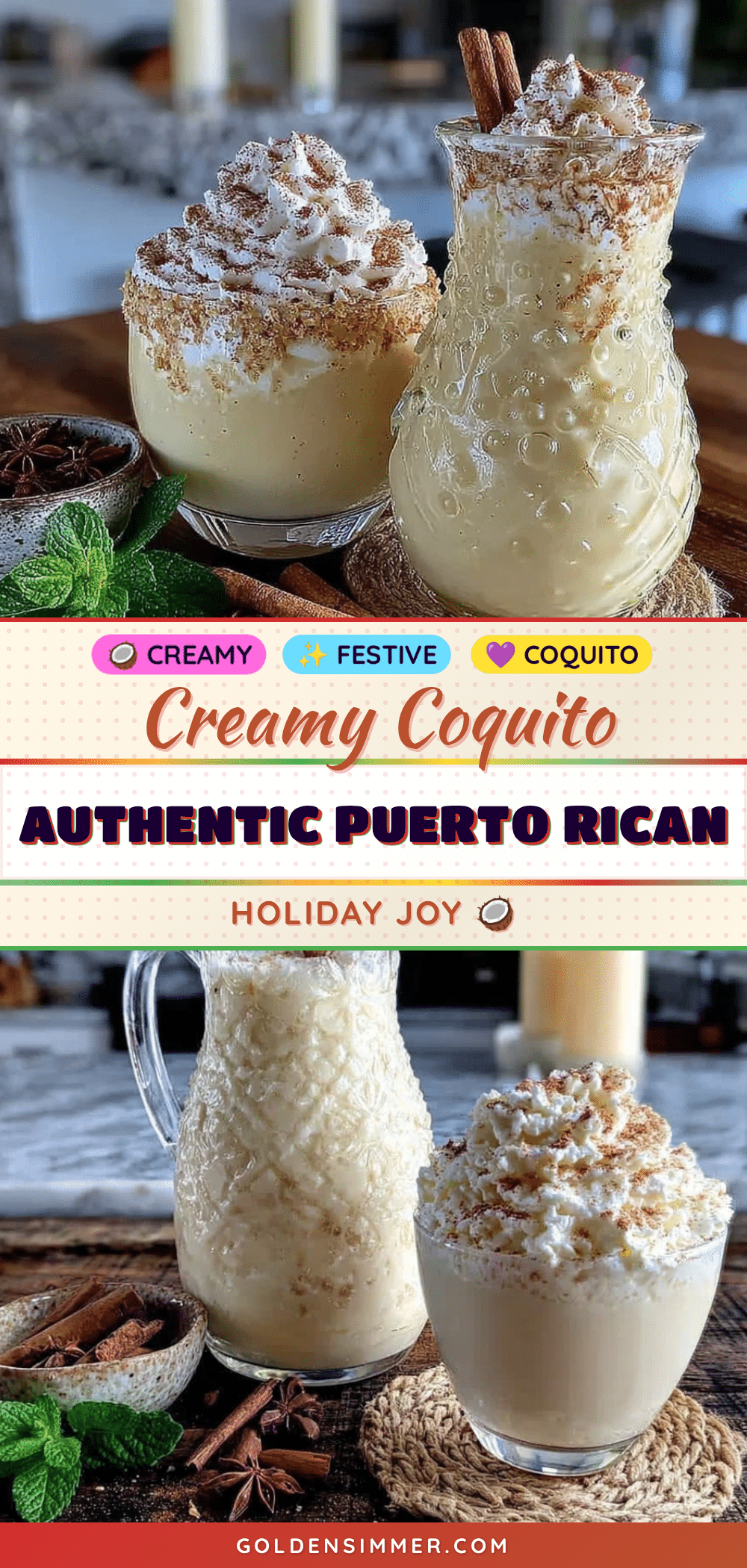
Creamy Authentic Puerto Rican Coquito Recipe
This creamy authentic Puerto Rican coquito for the holidays is a velvety, spiced coconut drink that tastes like Christmas in the Caribbean. Made with toasted cinnamon sticks, coconut cream, and rum, it’s a beloved holiday tradition that comes together in just 15 minutes of active prep.
- Prep Time: 15 minutes
- Cook Time: 0 minutes
- Total Time: 4 hours 15 minutes (includes chilling time)
- Yield: 12 servings 1x
- Category: Beverage
- Cuisine: Puerto Rican
Ingredients
- 1 can (15 ounces) canned coconut cream
- 1 can (12 ounces) evaporated milk
- 1 can (14 ounces) sweetened condensed milk
- 1 can (15 ounces) cream of coconut (e.g., Coco López)
- 1 cup white rum (e.g., Bacardí or Don Q)
- 3–4 cinnamon sticks
- 1 teaspoon vanilla extract
- ¼ teaspoon ground cloves
- ¼ teaspoon ground nutmeg
- A pinch of salt
Instructions
- Toast the cinnamon sticks: Place 3-4 cinnamon sticks in a dry skillet over medium heat. Shake the pan occasionally and toast for 2-3 minutes until fragrant. Set aside to cool for a minute.
- Combine the liquid ingredients: In a blender, add the canned coconut cream, evaporated milk, sweetened condensed milk, and cream of coconut. Blend on low for about 10 seconds just to combine.
- Add the spices and rum: Drop in the toasted cinnamon sticks, vanilla extract, ground cloves, ground nutmeg, and a pinch of salt. Pour in 1 cup of white rum. For a milder drink, start with ¾ cup.
- Blend until smooth: Start on low speed and gradually increase to high. Blend for 45-60 seconds until everything is fully incorporated and the cinnamon sticks have broken down into small pieces.
- Strain the mixture (optional but recommended): Place a fine-mesh strainer over a large bowl or pitcher. Pour the blended coquito through the strainer to catch any cinnamon stick fragments. Use a spatula to press the liquid through.
- Chill thoroughly: Transfer the strained coquito to bottles or jars. Seal tightly and refrigerate for at least 4 hours, but overnight is even better.
- Shake before serving: Give the bottle a good shake before pouring. Serve cold in small glasses. Garnish with a cinnamon stick or a sprinkle of ground nutmeg if desired.
Notes
Toasting the cinnamon sticks is key for deep flavor. Let canned ingredients come to room temperature before blending to avoid graininess. Coquito improves after a day in the fridge. For a non-alcoholic version, omit rum and add ½ cup extra coconut cream.
Nutrition
- Serving Size: 4 ounces
- Calories: 285
- Sugar: 24
- Sodium: 85
- Fat: 16
- Carbohydrates: 28
- Protein: 4
Keywords: coquito, Puerto Rican coquito, holiday drink, coconut drink, Christmas drink, creamy coquito, authentic coquito