Love this? Save it for later!
Share the inspiration with your friends
“You haven’t truly experienced Persian rice until you’ve heard the satisfying crackle of tahdig,” my friend Amir said one sunny afternoon as we prepared dinner. I was visiting his cozy apartment in San Francisco, where the kitchen smelled faintly of saffron and toasted rice. I wasn’t expecting much from a simple pot of rice, honestly. But as Amir carefully lifted the lid off the pot, revealing that golden, crispy crust, I felt like I’d stumbled upon a secret treasure.
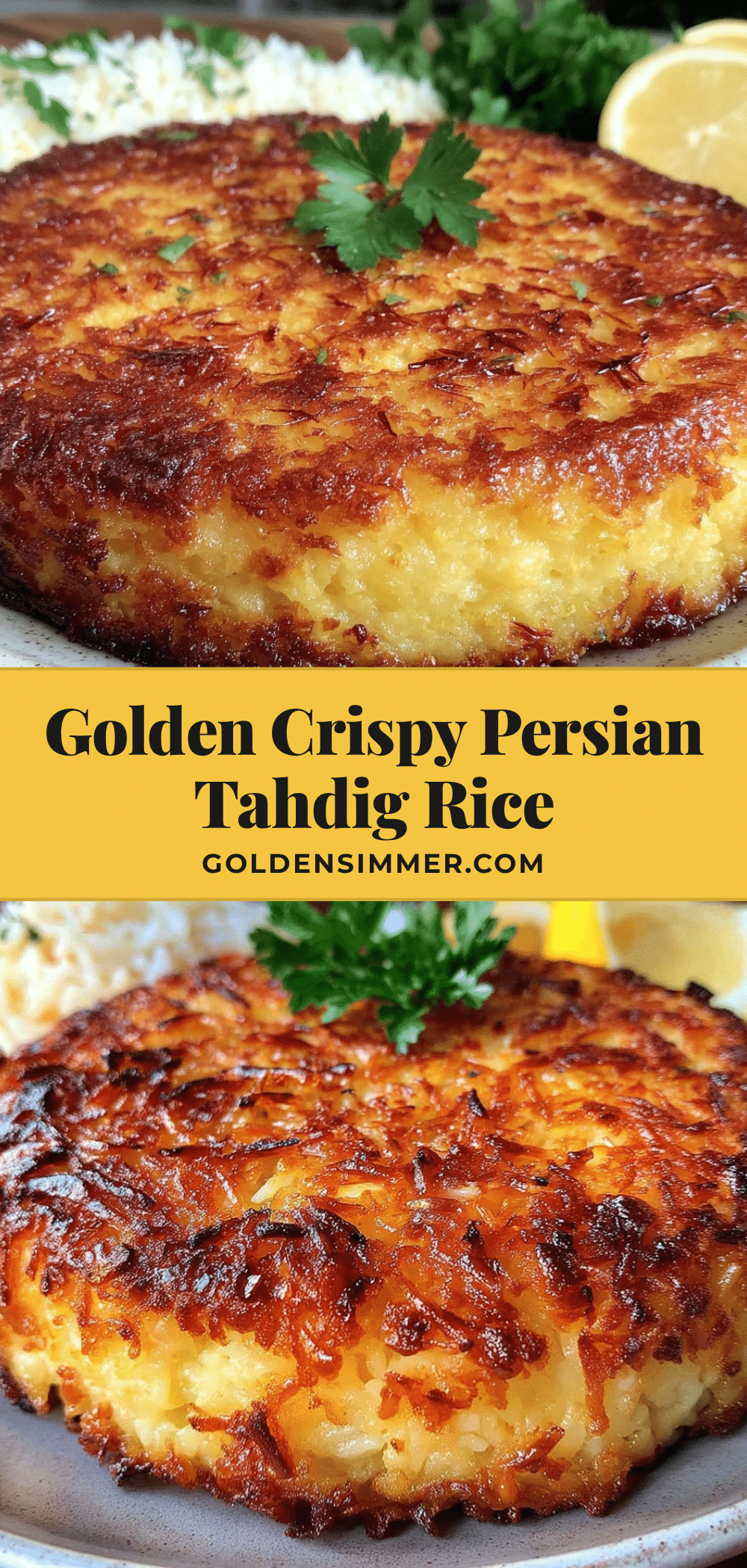
This crispy Persian tahdig rice with saffron golden crust isn’t just a dish—it’s a labor of love, a bit of culinary magic that turns humble rice into a crunchy, aromatic masterpiece. The first time I tried making it myself, I managed to forget the timer and nearly burned the crust, but the texture and flavor were so addictive, I kept coming back for more. Maybe you’ve been there—trying to master that perfect crust that’s both crunchy and tender underneath.
What makes this recipe unforgettable is that golden saffron hue and the crispy bottom layer that crackles when you serve it. It’s the kind of dish that invites you to slow down and appreciate the little things—like the warmth of the kitchen and the joy of sharing food with friends. Whether you’re new to Persian cooking or a longtime fan, this recipe will become one of those kitchen rituals you cherish.
Why You’ll Love This Recipe
After testing many variations of Persian rice, this crispy tahdig recipe is my go-to for more reasons than one. It’s not just about the flavor—it’s about the experience, the texture, and how it brings a special touch to any meal.
- Quick & Easy: Comes together in about an hour, which is perfect for a relaxed weekend dinner or impressing guests without fuss.
- Simple Ingredients: You likely have everything in your pantry—basmati rice, saffron, oil, and a bit of patience.
- Perfect for Special Occasions: Whether it’s a holiday meal or a casual dinner party, tahdig steals the spotlight with its golden crust and rich aroma.
- Crowd-Pleaser: The crispy layer is always a hit, with both kids and adults competing for the last crunchy bite.
- Unbelievably Delicious: The saffron infuses the rice with a delicate floral scent and that buttery crunch creates a texture combo you don’t often find in everyday rice dishes.
This recipe stands out because it honors tradition while being approachable for home cooks. The method I share here is tested and refined to avoid the usual tahdig pitfalls—like sticking or burning—so you get the perfect golden crust every time. Honestly, it’s the kind of recipe that makes you close your eyes and savor that first bite, knowing you nailed it.
What Ingredients You Will Need
This recipe uses simple, wholesome ingredients to deliver bold flavor and that signature satisfying crunch without the fuss. Most are pantry staples, but if you want to make it truly authentic, a few special touches like saffron really make a difference.
- For the Rice:
- 2 cups basmati rice (about 400g), rinsed and soaked for 30 minutes (key for fluffy grains)
- 4 cups water (950ml) for boiling
- 1 teaspoon salt
- For the Tahdig Crust:
- ½ cup plain yogurt (about 120ml), full-fat preferred (adds tenderness and tang)
- ½ teaspoon ground saffron threads, dissolved in 2 tablespoons hot water (about 30ml) – look for high-quality Iranian saffron like Mehr Saffron for best aroma
- ¼ cup vegetable oil or melted butter (60ml), for a richer crust use butter
- Optional: Thinly sliced potatoes or flatbread (lavash) for layering under the rice if you want a variation
For substitutions, you can swap yogurt with sour cream if needed, or use gluten-free oil options like avocado oil. The basmati rice is essential for that fluffy texture, but jasmine rice can work in a pinch. Just remember the soaking step—it’s crucial for the perfect tahdig crust.
Equipment Needed
To make this crispy Persian tahdig rice with saffron golden crust, you’ll need a few key kitchen tools that help create that perfect crunch without sticking or burning:
- Medium to Large Pot with Lid: Preferably non-stick or heavy-bottomed to distribute heat evenly. I use a 3-quart (2.8L) non-stick pot for just the right size.
- Fine Mesh Strainer: For rinsing and soaking the rice; helps wash out excess starch.
- Small Bowl: To dissolve saffron and mix with yogurt.
- Wooden or Silicone Spatula: For gently fluffing the rice without breaking the grains.
- Heat Diffuser (Optional): If your stove runs hot, placing a heat diffuser under the pot can help prevent burning.
If you don’t have a non-stick pot, a well-seasoned heavy-bottomed stainless steel pot works, but watch the heat closely. I once tried this recipe in a thin pot and learned the hard way that even heat really matters here. Budget-friendly options like a basic non-stick saucepan work just fine for beginners.
Preparation Method

- Rinse and Soak the Rice (30 minutes): Rinse the basmati rice under cold water until the water runs clear. Soak it in cold water for 30 minutes to soften the grains and remove excess starch. Drain well before cooking.
- Boil the Rice: Bring 4 cups (950ml) of water to a boil in your pot with 1 teaspoon salt. Add the soaked rice and cook uncovered for about 6 to 8 minutes until the grains are just tender but still firm in the center (al dente). Drain the rice in a fine mesh strainer and set aside.
- Prepare the Saffron Yogurt Mixture: While the rice cooks, dissolve the saffron threads in 2 tablespoons (30ml) of hot water. In a small bowl, mix the saffron water with ½ cup (120ml) of plain yogurt. This mixture will help create the golden crust and infuse the rice with that lovely saffron aroma.
- Prepare the Pot for Tahdig: Add ¼ cup (60ml) vegetable oil or melted butter to the clean pot and spread it evenly over the bottom. If you want, arrange thin potato slices or a piece of flatbread at the bottom for a different type of crust.
- Layer the Rice: Spoon half of the drained rice into the pot and gently press it down. Spread the saffron yogurt mixture evenly over this layer. Then add the remaining rice on top, mounding it gently. Make a few holes in the rice mound with the handle of a wooden spoon to allow steam to escape.
- Cook the Tahdig: Cover the pot with a clean kitchen towel (to catch condensation) and then place the lid on top. Cook over medium heat for 5 minutes to start the crust formation, then reduce heat to low and cook for 40 minutes. Avoid lifting the lid during this time to let the crust form properly.
- Serve the Tahdig: When the time’s up, remove the pot from heat and let it rest for 5 minutes. Run a spatula around the edges gently to loosen the crust. Carefully invert the pot onto a serving platter so the tahdig crust is on top. If it doesn’t release easily, give it a few more minutes or gently nudge with the spatula.
Pro tip: If the crust sticks, try placing a plate over the pot and flipping quickly in one smooth motion. The smell of toasted saffron and buttery crunch will fill your kitchen, and that’s when you know it’s done right.
Cooking Tips & Techniques
Let me share some lessons I learned the hard way while perfecting this crispy Persian tahdig rice with saffron golden crust. First, soaking your rice is non-negotiable—skipping this step means mushy grains and no crunch. Also, controlling the heat is key. Too high, and you’ll burn the crust; too low, and it won’t crisp properly.
Using a kitchen towel under the lid is a classic trick that prevents condensation from dripping back onto the rice, keeping the grains fluffy and the crust crisp. If your stove runs hot, a heat diffuser is your best friend. I once ruined a batch because I was distracted and had the flame too high—don’t be like me!
When mixing the saffron, don’t rush. Give it a good 10 minutes to bloom in hot water; that’s when the color and aroma really shine through. Lastly, patience is everything. Resist the urge to peek or stir during cooking—let the crust form undisturbed for the best results.
Variations & Adaptations
This recipe is wonderfully versatile. You can try these variations to suit your mood or dietary needs:
- Potato Tahdig: Instead of yogurt and saffron, line the pot with thinly sliced potatoes for a crispy potato crust. It’s a favorite in many Persian homes.
- Lavash Bread Tahdig: Place a sheet of lavash or pita bread at the bottom before adding rice. It creates a crunchy, bread-like crust that’s delicious with dips.
- Vegan Version: Use olive oil or coconut oil instead of butter, and swap yogurt for a plant-based thick yogurt or cashew cream for the crust layer.
For a seasonal twist, you can gently fold in toasted nuts or dried barberries (zereshk) into the rice after cooking for bursts of tartness and texture. I once made it with a pinch of cinnamon and cardamom for a subtly spiced version that paired beautifully with lamb.
Serving & Storage Suggestions
This tahdig rice is best served hot, right after it’s flipped onto the platter so everyone can admire the golden crust. Serve it alongside Persian stews like ghormeh sabzi or chicken dishes for a full meal experience.
If you have leftovers, store them in an airtight container in the fridge for up to 3 days. Reheat gently in a skillet over low heat to try and revive the crispiness, or microwave with a damp paper towel to keep the rice soft. While the crust loses some crunch over time, the saffron flavor remains delightful.
Nutritional Information & Benefits
This Persian tahdig rice recipe offers a comforting balance of carbs and fats, with the saffron adding antioxidants and anti-inflammatory properties. Basmati rice provides a lower glycemic index option compared to other white rices, helping with steady energy release. The yogurt contributes a bit of protein and probiotics, promoting gut health.
Note that this recipe contains dairy and gluten if you use bread for the crust, so adjust as needed for allergies. Overall, it’s a satisfying dish that fits well in a balanced diet when enjoyed in moderation.
Conclusion
If you’ve been searching for a way to make Persian rice that’s both impressive and approachable, this crispy Persian tahdig rice with saffron golden crust is a must-try. It’s a recipe that brings a bit of magic to the table without complicated steps or hard-to-find ingredients.
Feel free to customize it with your favorite variations or serve it alongside your loved dishes. Honestly, the joy of cracking into that golden crust and savoring the aroma is why I keep making this recipe over and over.
Give it a go, and share your experience—I’d love to hear how your tahdig turns out or what twists you added. Remember, cooking is about making the recipe yours and enjoying every crunchy, saffron-scented bite.
Frequently Asked Questions
What type of rice is best for making tahdig?
Basmati rice is preferred because of its long grains and fluffy texture. Its aroma and ability to stay separate make it ideal for creating the perfect tahdig crust.
How do I prevent the tahdig from sticking to the pot?
Use a non-stick or heavy-bottomed pot, add enough oil or butter, and cook over low heat. Also, placing a heat diffuser under the pot can help distribute heat evenly.
Can I make tahdig without yogurt?
Yes, you can skip the yogurt and rely on oil or butter alone, but the yogurt helps tenderize the crust and adds a subtle tangy flavor.
Is saffron necessary for the recipe?
While saffron adds authentic flavor and that beautiful golden color, you can omit it if unavailable. Turmeric can be a substitute for color but won’t replicate the unique saffron aroma.
Can I prepare tahdig rice in advance?
You can cook the rice ahead but the crust is best fresh. To reheat, warm gently in a skillet to try restoring some crispness or microwave with a damp towel to keep rice moist.
For more Persian-inspired dishes, you might enjoy the ghormeh sabzi recipe or the Persian chicken kebab, both great companions to a perfect tahdig rice.
Pin This Recipe!
Crispy Persian Tahdig Rice Recipe Easy Step-by-Step Saffron Golden Crust

A traditional Persian rice dish featuring a golden, crispy saffron-infused crust known as tahdig. This recipe delivers fluffy basmati rice with a crunchy, aromatic bottom layer perfect for special occasions or everyday meals.
- Prep Time: 40 minutes
- Cook Time: 45 minutes
- Total Time: 1 hour 25 minutes
- Yield: 4 servings 1x
- Category: Main Course
- Cuisine: Persian
Ingredients
- 2 cups basmati rice (about 400g), rinsed and soaked for 30 minutes
- 4 cups water (950ml) for boiling
- 1 teaspoon salt
- ½ cup plain yogurt (about 120ml), full-fat preferred
- ½ teaspoon ground saffron threads, dissolved in 2 tablespoons hot water (about 30ml)
- ¼ cup vegetable oil or melted butter (60ml)
- Optional: Thinly sliced potatoes or flatbread (lavash) for layering under the rice
Instructions
- Rinse the basmati rice under cold water until the water runs clear. Soak it in cold water for 30 minutes to soften the grains and remove excess starch. Drain well before cooking.
- Bring 4 cups (950ml) of water to a boil in your pot with 1 teaspoon salt. Add the soaked rice and cook uncovered for about 6 to 8 minutes until the grains are just tender but still firm in the center (al dente). Drain the rice in a fine mesh strainer and set aside.
- Dissolve the saffron threads in 2 tablespoons (30ml) of hot water. In a small bowl, mix the saffron water with ½ cup (120ml) of plain yogurt.
- Add ¼ cup (60ml) vegetable oil or melted butter to the clean pot and spread it evenly over the bottom. Optionally, arrange thin potato slices or a piece of flatbread at the bottom for a different type of crust.
- Spoon half of the drained rice into the pot and gently press it down. Spread the saffron yogurt mixture evenly over this layer. Then add the remaining rice on top, mounding it gently. Make a few holes in the rice mound with the handle of a wooden spoon to allow steam to escape.
- Cover the pot with a clean kitchen towel and then place the lid on top. Cook over medium heat for 5 minutes to start the crust formation, then reduce heat to low and cook for 40 minutes without lifting the lid.
- Remove the pot from heat and let it rest for 5 minutes. Run a spatula around the edges gently to loosen the crust. Carefully invert the pot onto a serving platter so the tahdig crust is on top. If it doesn’t release easily, wait a few more minutes or gently nudge with the spatula.
Notes
Soaking the rice is essential for fluffy grains and a perfect crust. Use a kitchen towel under the lid to prevent condensation from dripping back onto the rice. Control heat carefully to avoid burning the crust. Let saffron bloom in hot water for at least 10 minutes for best aroma and color. Avoid lifting the lid during cooking to allow crust formation.
Nutrition
- Serving Size: 1 cup cooked rice wi
- Calories: 320
- Sugar: 2
- Sodium: 400
- Fat: 10
- Saturated Fat: 3
- Carbohydrates: 50
- Fiber: 1
- Protein: 6
Keywords: Persian rice, tahdig, saffron rice, crispy rice, basmati rice, Persian cuisine, golden crust rice, easy tahdig recipe