Love this? Save it for later!
Share the inspiration with your friends
I’m not supposed to play favorites with recipes, but this butternut squash mac and cheese? It’s earned a permanent spot in my weekly rotation. The first time I made it, I was trying to hide a vegetable from my own kids—let’s be honest, we’ve all been there. I had a beautiful butternut squash sitting on my counter, and I thought, “What if I just… blended it into something they already love?”
That first attempt was a glorious mess. I didn’t puree the squash enough, so there were tiny orange flecks that my daughter immediately pointed out. “What’s that, Mama?” she asked, suspicious. I mumbled something about “extra cheddar color” and held my breath. She took a bite. Then another. Then she asked for seconds. I mean, I almost cried right there at the dinner table.
This recipe has become my secret weapon for busy weeknights when I need something fast, filling, and actually good for them. The butternut squash melts into the cheese sauce so completely that even the pickiest eaters won’t know it’s there. Honestly, my husband still doesn’t believe me when I tell him what’s in it. The best part? It costs about half of what you’d pay for the boxed stuff, and it tastes about a hundred times better. Maybe you’ve been there—standing in the grocery aisle, staring at boxes of neon orange powder, wondering if there’s a better way. There is. And it starts with a humble squash and a whole lot of cheese.
Why You’ll Love This Recipe
This isn’t just another mac and cheese recipe. It’s the one that solves the eternal dinner dilemma: how to get your kids to eat a vegetable without a single complaint. After testing this recipe at least a dozen times (and yes, I’ve had a few failures along the way), I can confidently say this version delivers every single time.
- Quick & Easy: From start to table in about 35 minutes. That’s faster than ordering takeout in most neighborhoods.
- Simple Ingredients: You probably already have butter, milk, cheese, and pasta in your kitchen. The butternut squash is the only “special” item, and it’s available year-round now.
- Perfect for Family Dinners: This recipe was born for Tuesday nights when everyone’s tired and hungry. It pleases toddlers, teenagers, and adults alike.
- Crowd-Pleaser: I’ve served this at potlucks and watched grown adults go back for thirds. Nobody believes it has squash in it until I show them the empty blender.
- Unbelievably Delicious: The texture is creamy without being heavy. The flavor is cheesy with a subtle sweetness from the squash that balances everything perfectly.
What makes this recipe different from the rest? It’s the technique of roasting the squash first instead of boiling it. Roasting concentrates the natural sugars and gives the sauce a deeper, almost nutty flavor that you just can’t get from steaming or boiling. Plus, you can roast the squash ahead of time and have the sauce ready in minutes when dinner chaos hits. This recipe isn’t just good—it’s the kind that makes you close your eyes after the first bite and forget you’re eating something healthy.
What Ingredients You Will Need
This recipe uses simple, wholesome ingredients to deliver big flavor without any fuss. Most of these are pantry staples, and the butternut squash is easy to find in any grocery store. Here’s what you’ll need:
For the Butternut Squash Puree
- 1 medium butternut squash (about 2 pounds) — peeled, seeded, and cubed into 1-inch pieces (look for one that feels heavy for its size)
- 2 tablespoons olive oil — for roasting, helps caramelize the squash
- ½ teaspoon salt — brings out the natural sweetness
- ¼ teaspoon black pepper — just a hint of warmth
For the Pasta and Cheese Sauce
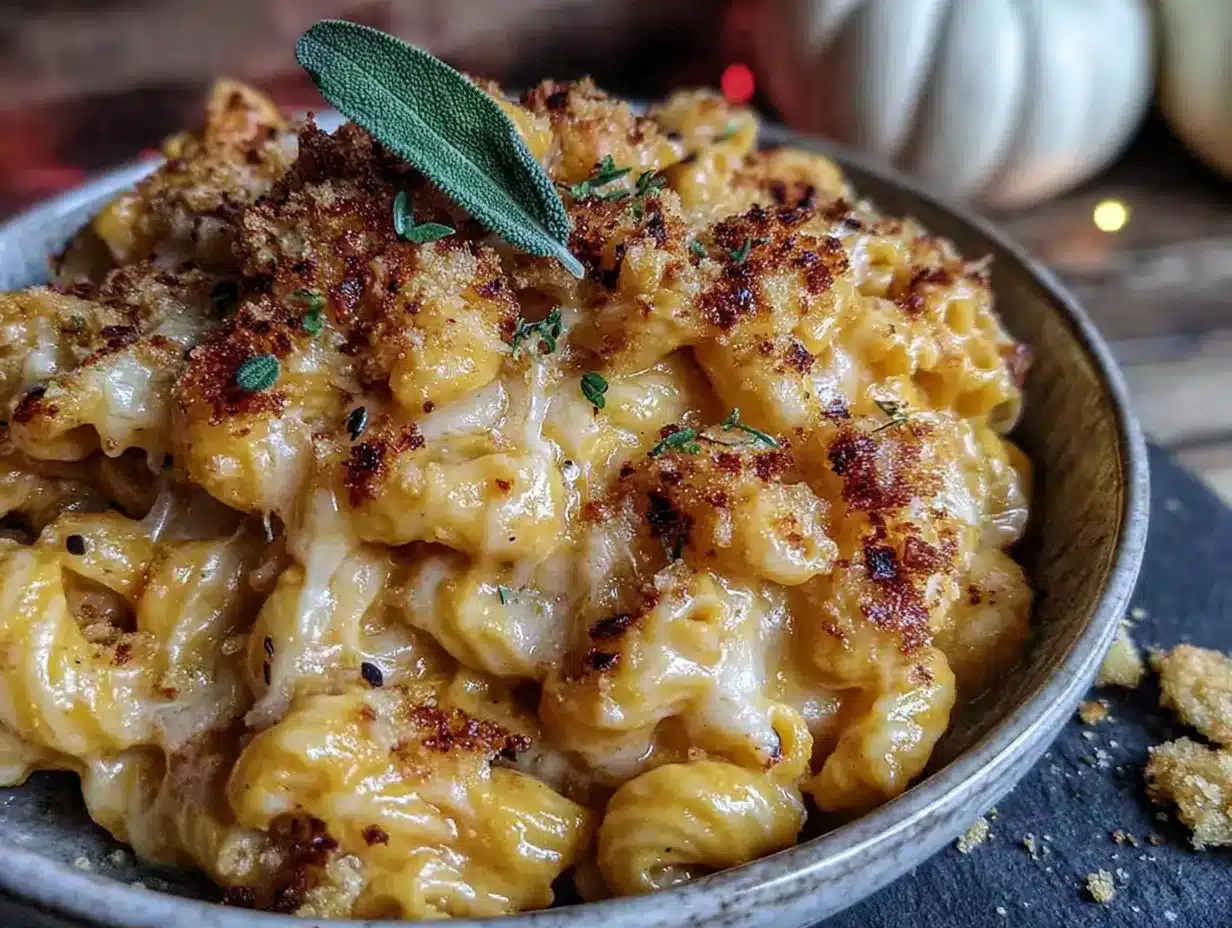
- 1 pound elbow macaroni (or any short pasta like shells, cavatappi, or rotini) — I prefer Barilla for consistent texture
- 3 tablespoons unsalted butter — use good quality here, it makes a difference
- 3 tablespoons all-purpose flour — for thickening the sauce
- 2 cups whole milk — warmed slightly, or use 2% if that’s what you have
- 1 cup heavy cream — optional but makes it extra luxurious; you can use all milk if you prefer
- 2 cups sharp cheddar cheese, shredded — freshly shredded melts much better than pre-shredded (trust me on this)
- 1 cup mozzarella cheese, shredded — adds that perfect stretchy texture
- ½ cup grated Parmesan cheese — for salty, nutty depth
- 1 teaspoon Dijon mustard — don’t skip this; it brightens the whole dish
- ½ teaspoon garlic powder — optional, but I never skip it
- ¼ teaspoon nutmeg — freshly grated if you have it, it’s magical with squash
- Salt and pepper to taste
Optional Topping
- ½ cup panko breadcrumbs — for a crunchy finish
- 2 tablespoons melted butter — to mix with the breadcrumbs
- 2 tablespoons grated Parmesan — mixed into the breadcrumbs
Ingredient Tips: For the best flavor, I recommend using a block of sharp cheddar and shredding it yourself. Pre-shredded cheese has anti-caking agents that prevent it from melting smoothly. If you’re dairy-free, you can substitute the milk with unsweetened oat milk and use a good dairy-free cheddar blend. For a gluten-free version, use gluten-free pasta and a 1:1 gluten-free flour blend for the roux.
Equipment Needed
You don’t need a fancy kitchen to make this recipe work. Here’s what you’ll need:
- Baking sheet — for roasting the squash, any standard half-sheet pan works
- Parchment paper — makes cleanup so much easier
- Large pot — for boiling pasta, at least 5-quart capacity
- Medium saucepan — for making the cheese sauce
- Blender or food processor — to puree the roasted squash until smooth (I use my trusty Ninja, but an immersion blender works too)
- Wooden spoon or whisk — for stirring the roux and sauce
- Colander — for draining pasta
- 9×13 inch baking dish — if you’re making a baked version with topping
- Box grater — for shredding cheese from a block
If you don’t have a blender, you can mash the roasted squash with a potato masher or fork, but the texture won’t be as smooth. I’ve done it both ways, and the blender version is definitely creamier. Also, if you’re on a budget, skip the baking dish and just serve it straight from the pot—it’s still delicious.
Preparation Method
-
Preheat your oven to 400°F (200°C). Line a baking sheet with parchment paper for easy cleanup. While the oven heats up, peel your butternut squash using a sharp vegetable peeler. Cut it in half lengthwise, scoop out the seeds with a spoon, and cut the flesh into roughly 1-inch cubes. Don’t worry about being perfect—just aim for similar sizes so they cook evenly.
-
Toss the cubed squash with olive oil, salt, and pepper. Spread them in a single layer on the prepared baking sheet. Roast for 25-30 minutes, flipping halfway through, until the squash is tender and the edges are starting to caramelize. You’ll know it’s done when a fork slides in easily. The smell at this point is incredible—sweet and almost nutty.
-
While the squash roasts, cook your pasta. Bring a large pot of generously salted water to a boil. Add your pasta and cook according to package directions until al dente. I usually go for 1 minute less than the package says, because the pasta will continue cooking later. Reserve about 1 cup of pasta water before draining, then drain the pasta and set it aside.
-
Make the butternut squash puree. Transfer the roasted squash to your blender or food processor. Add about ½ cup of the reserved pasta water and blend until completely smooth. You want a consistency similar to baby food—silky and free of any lumps. This usually takes about 30-60 seconds. Set the puree aside.
-
Start the cheese sauce. In your medium saucepan, melt the butter over medium heat. Once it’s bubbling, whisk in the flour and cook for 1-2 minutes, stirring constantly. This is your roux, and it should smell toasty but not browned. Keep whisking—you don’t want any lumps forming here.
-
Slowly pour in the milk and heavy cream while whisking continuously. Keep whisking until the mixture thickens, about 3-4 minutes. It should coat the back of a spoon. If it looks too thick, don’t panic—you can thin it out with more milk or pasta water later.
-
Reduce the heat to low and add your shredded cheeses one handful at a time, stirring until each addition is fully melted before adding the next. This gradual approach prevents the sauce from breaking or becoming grainy. Once all the cheese is melted, stir in the Dijon mustard, garlic powder, nutmeg, and a pinch of salt and pepper.
-
Fold in the butternut squash puree. Stir until the sauce is a uniform golden-orange color. Taste it here—you should taste cheese first, with a subtle sweetness from the squash in the background. Adjust salt and pepper as needed.
-
Combine the sauce with the cooked pasta. Pour the cheese sauce over the drained pasta and stir gently until every piece is coated. If the sauce seems too thick, add a splash of the reserved pasta water to loosen it up. The starch in the pasta water helps the sauce cling to the noodles.
-
Optional: Make the crunchy topping. In a small bowl, mix the panko breadcrumbs with melted butter and Parmesan. Sprinkle this over the mac and cheese if you’re baking it. Transfer everything to a greased 9×13 baking dish, top with the breadcrumb mixture, and bake at 375°F (190°C) for 15-20 minutes until golden and bubbly.
Pro tip from my kitchen: If you’re short on time, skip the baking step entirely. Serve it straight from the pot with a little extra cheese on top. My kids actually prefer it this way—they say the baked version is “too fancy.”
Cooking Tips & Techniques
I’ve made this recipe more times than I can count, and I’ve definitely learned a few things the hard way. Here are my best tips for getting it right every time:
Don’t skip roasting the squash. I tried boiling it once because I was in a hurry, and the sauce came out watery and bland. Roasting concentrates the flavor and gives you that sweet, caramelized taste that makes this dish special. Trust me on this one—the extra 25 minutes are worth it.
Shred your own cheese. I know, I know, it’s an extra step. But pre-shredded cheese is coated with cellulose and starches that prevent it from melting smoothly. Your sauce will be grainy instead of silky. I buy blocks of cheddar on sale and shred them in my food processor—takes 2 minutes and saves money.
Low and slow for the sauce. When you’re melting the cheese, keep the heat on low. High heat can cause the proteins in the cheese to seize up, leaving you with a clumpy, separated mess. If your sauce does start to look grainy, remove it from the heat immediately and whisk in a splash of cold milk—it can sometimes save it.
Season in layers. Add salt at every stage—to the pasta water, to the squash, to the roux, and finally to the finished sauce. This builds flavor from the ground up instead of relying on a last-minute dash of salt that never quite integrates.
One mistake I’ll never make again: I once added the squash puree before the cheese. The sauce turned an unappetizing grayish-orange, and the flavor was off. Always add the cheese first, then the squash. The order matters more than you’d think.
Variations & Adaptations
This recipe is wonderfully flexible. Here are some ways I’ve adapted it over the years:
Make it gluten-free: Use your favorite gluten-free pasta and swap the all-purpose flour for a 1:1 gluten-free flour blend or cornstarch (use 1 tablespoon cornstarch mixed with 2 tablespoons cold water as a slurry). The texture will be slightly different, but still delicious.
Add some protein: Stir in 2 cups of shredded rotisserie chicken, cooked ground beef, or crispy bacon bits right before serving. My husband loves it with leftover pulled pork mixed in—it turns into a whole new meal.
Veggie boost: Fold in 1 cup of steamed broccoli florets, sautéed spinach, or roasted cauliflower along with the pasta. My daughter calls this “green mac” and actually requests it. I’ve also added finely grated zucchini that I squeezed dry in a kitchen towel—nobody noticed.
Spice it up: Add ¼ teaspoon of cayenne pepper or smoked paprika to the sauce for a subtle kick. My neighbor adds a dash of hot sauce to her bowl, and she swears by it.
Make it vegan: Use plant-based butter, unsweetened oat milk, and your favorite vegan cheddar shreds. The squash puree helps create a creamy texture that works surprisingly well without dairy. I tested this for a friend’s dairy-free family, and it was a hit.
Seasonal twist: In the fall, I sometimes swap half the butternut squash for roasted sweet potato. In the summer, I’ve used roasted zucchini and yellow squash (drain them well after roasting to avoid watery sauce).
Serving & Storage Suggestions
Serve it warm, straight from the pot or baking dish. This mac and cheese is at its absolute best within 15 minutes of being made. The sauce is perfectly creamy, the cheese is stretchy, and the pasta has the ideal texture. If you’ve made the baked version with the panko topping, let it rest for 5 minutes after coming out of the oven so the topping stays crunchy.
What to serve alongside: A simple green salad with a tangy vinaigrette cuts through the richness beautifully. Roasted broccoli or green beans are also perfect—they can roast in the oven while the mac and cheese bakes. For a complete meal, add some grilled chicken or fish. My kids love it with apple slices on the side—the sweetness matches the squash.
Storage instructions: Leftovers keep well in an airtight container in the refrigerator for up to 4 days. The pasta will absorb some of the sauce as it sits, so don’t be alarmed if it seems drier the next day. To reheat, add a splash of milk or cream and warm it gently on the stovetop or in the microwave in 30-second bursts, stirring between each. The microwave can make it rubbery if you go too fast.
Freezer-friendly: This recipe freezes beautifully. Let it cool completely, then transfer to a freezer-safe container. It will keep for up to 3 months. Thaw overnight in the refrigerator, then reheat with a splash of milk. I often make a double batch and freeze one for those weeks when I know I’ll need a quick dinner.
Flavor development: Honestly, some people say this mac and cheese tastes even better the next day. The flavors have time to meld, and the squash sweetness becomes more pronounced. If you can resist eating it all the first night, you’re in for a treat.
Nutritional Information & Benefits
Here’s the approximate nutritional breakdown for one serving (about 1 cup, without the breadcrumb topping):
| Nutrient | Amount per Serving |
|---|---|
| Calories | 420 |
| Total Fat | 22g |
| Saturated Fat | 13g |
| Cholesterol | 65mg |
| Sodium | 580mg |
| Total Carbohydrates | 40g |
| Dietary Fiber | 4g |
| Sugars | 6g |
| Protein | 18g |
| Vitamin A | 180% DV |
| Vitamin C | 25% DV |
| Calcium | 35% DV |
| Iron | 10% DV |
The butternut squash is the real hero here. It’s loaded with vitamin A (great for eye health and immune function), vitamin C, potassium, and fiber. By blending it into the cheese sauce, you’re getting all those nutrients without any of the “eating your vegetables” complaints. Plus, the protein from the cheese and milk helps keep everyone full and satisfied. This is comfort food that actually works for your body, and that’s something I can feel good about serving my family.
Conclusion
This butternut squash mac and cheese has become a staple in my kitchen for good reason. It’s the recipe that bridges the gap between what I want to feed my kids and what they actually want to eat. No pleading, no bargaining, no hidden-vegetable guilt trips—just a big bowl of creamy, cheesy pasta that happens to be packed with nutrients.
What I love most about this recipe is how forgiving it is. You can add more cheese, swap the pasta shape, throw in whatever vegetables you have on hand, and it still comes out delicious. It’s a recipe that grows with your family and adapts to your week. Some nights it’s a quick stovetop dinner, other nights it’s a baked casserole for company. Either way, it works.
I’d love to hear how this recipe turns out for you. Did your kids notice the squash? Did you try a variation that your family loved? Drop a comment below and let me know—your feedback helps other home cooks feel confident trying it for the first time. And if you took a photo, tag me on social media so I can see your beautiful creation. Happy cooking, friends!
Frequently Asked Questions
Can I use frozen butternut squash instead of fresh?
Absolutely! Frozen butternut squash cubes work perfectly. Just thaw them first and pat them dry with a paper towel to remove excess moisture. Roast them the same way as fresh—they might need a few extra minutes in the oven. I’ve used frozen squash on busy nights when I forgot to buy fresh, and the results were just as good.
My cheese sauce turned out grainy. What went wrong?
Grainy cheese sauce usually happens for one of two reasons: the heat was too high, or you used pre-shredded cheese. Keep the heat on low when melting cheese, and always shred from a block. If your sauce does get grainy, try whisking in a splash of cold milk or cream—sometimes you can rescue it. Also, make sure your milk isn’t too cold when you add it to the roux; room temperature milk incorporates more smoothly.
How can I make this recipe dairy-free?
It’s easier than you’d think! Use plant-based butter (I like Miyoko’s), unsweetened oat milk or cashew milk for the sauce, and your favorite dairy-free cheddar shreds. The butternut squash puree helps create a creamy texture that works beautifully with dairy-free ingredients. Just be aware that dairy-free cheese doesn’t melt the same way, so the texture will be slightly different—still delicious, though!
Can I prepare this mac and cheese ahead of time?
Yes, and it’s a lifesaver for busy weeks! Assemble the mac and cheese completely (including the breadcrumb topping if using), but don’t bake it. Cover and refrigerate for up to 24 hours. When you’re ready to eat, bake it at 375°F (190°C) for about 25-30 minutes, until hot and bubbly. You may need to add 5-10 minutes if it’s going straight from the fridge to the oven.
My kids are super picky. Will they really not taste the squash?
In my experience, yes! The key is to make sure the squash is blended until completely smooth—no lumps or fibers. The sharp cheddar and Dijon mustard do a fantastic job of masking the squash flavor. My own kids have been eating this for years, and they still don’t believe me when I tell them what’s in it. If you’re really worried, start with a smaller amount of squash (about ¾ cup puree) and gradually increase it as they get used to it.
Pin This Recipe!
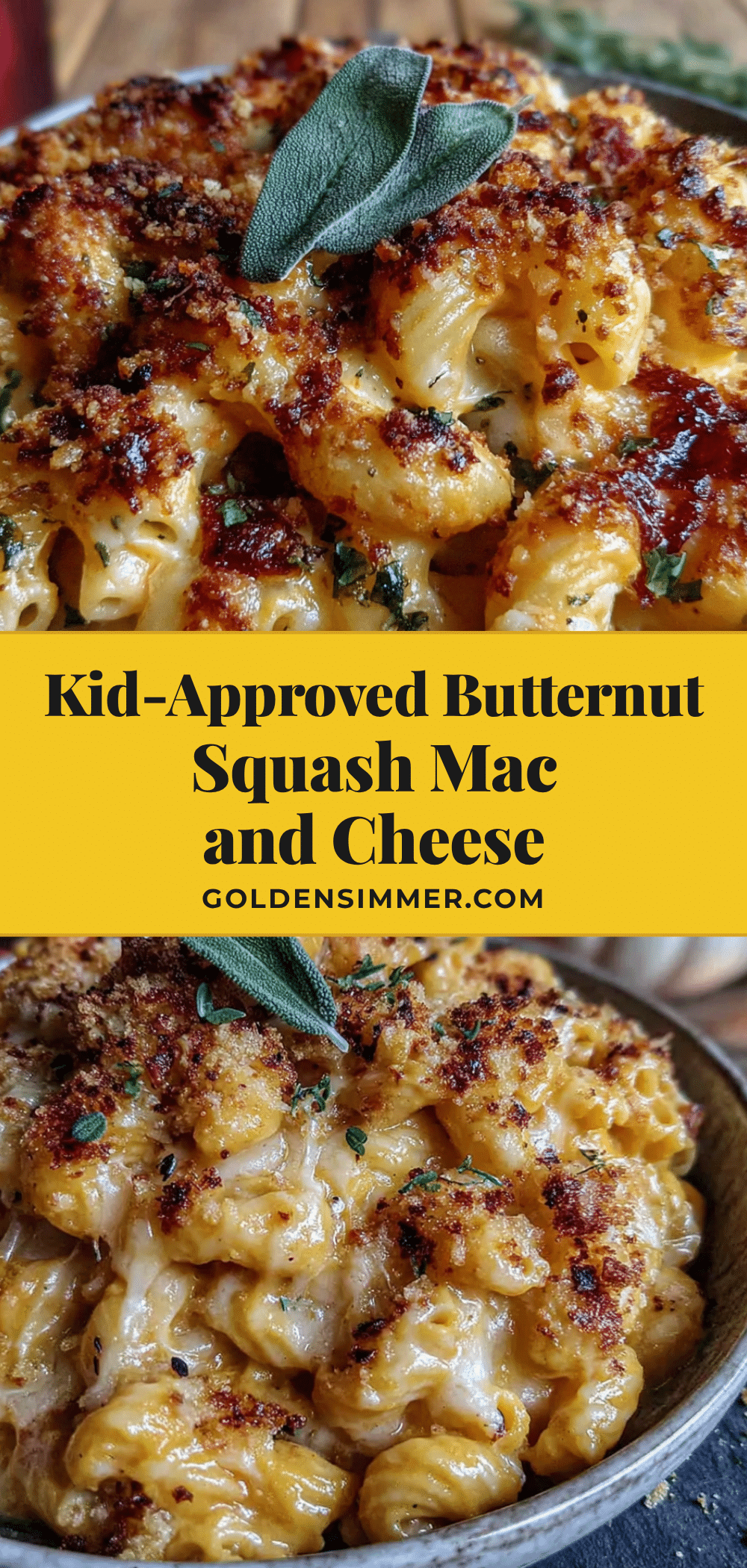
Easy Kid-Approved Butternut Squash Mac and Cheese Recipe
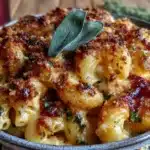
This butternut squash mac and cheese is a creamy, cheesy pasta dish that hides a full serving of vegetables. It’s quick, easy, and perfect for busy weeknights, pleasing even the pickiest eaters.
- Prep Time: 15 minutes
- Cook Time: 30 minutes
- Total Time: 45 minutes
- Yield: 8 servings 1x
- Category: Main Course
- Cuisine: American
Ingredients
- 1 medium butternut squash (about 2 pounds), peeled, seeded, and cubed into 1-inch pieces
- 2 tablespoons olive oil
- ½ teaspoon salt
- ¼ teaspoon black pepper
- 1 pound elbow macaroni (or any short pasta)
- 3 tablespoons unsalted butter
- 3 tablespoons all-purpose flour
- 2 cups whole milk, warmed
- 1 cup heavy cream (optional)
- 2 cups sharp cheddar cheese, shredded
- 1 cup mozzarella cheese, shredded
- ½ cup grated Parmesan cheese
- 1 teaspoon Dijon mustard
- ½ teaspoon garlic powder (optional)
- ¼ teaspoon nutmeg
- Salt and pepper to taste
- ½ cup panko breadcrumbs (optional topping)
- 2 tablespoons melted butter (optional topping)
- 2 tablespoons grated Parmesan (optional topping)
Instructions
- Preheat your oven to 400°F (200°C). Line a baking sheet with parchment paper.
- Toss the cubed squash with olive oil, salt, and pepper. Spread in a single layer on the prepared baking sheet. Roast for 25-30 minutes, flipping halfway, until tender and caramelized.
- While the squash roasts, cook the pasta in a large pot of salted water according to package directions until al dente. Reserve 1 cup of pasta water, then drain.
- Transfer the roasted squash to a blender or food processor. Add about ½ cup of the reserved pasta water and blend until completely smooth. Set aside.
- In a medium saucepan, melt the butter over medium heat. Whisk in the flour and cook for 1-2 minutes, stirring constantly.
- Slowly pour in the milk and heavy cream while whisking continuously. Cook until thickened, about 3-4 minutes.
- Reduce heat to low. Add the shredded cheeses one handful at a time, stirring until melted. Stir in Dijon mustard, garlic powder, nutmeg, and salt and pepper to taste.
- Fold in the butternut squash puree until the sauce is uniform in color. Adjust seasoning as needed.
- Pour the cheese sauce over the cooked pasta and stir until coated. If too thick, add a splash of reserved pasta water.
- Optional: For a crunchy topping, mix panko breadcrumbs with melted butter and Parmesan. Transfer mac and cheese to a greased 9×13 baking dish, top with breadcrumb mixture, and bake at 375°F (190°C) for 15-20 minutes until golden and bubbly.
Notes
For best results, roast the squash instead of boiling to concentrate flavor. Shred cheese from a block for smooth melting. If sauce becomes grainy, whisk in a splash of cold milk. Leftovers keep in the refrigerator for up to 4 days and freeze well for up to 3 months.
Nutrition
- Serving Size: 1 cup (without bread
- Calories: 420
- Sugar: 6
- Sodium: 580
- Fat: 22
- Saturated Fat: 13
- Carbohydrates: 40
- Fiber: 4
- Protein: 18
Keywords: butternut squash mac and cheese, kid-friendly, hidden vegetable, easy weeknight dinner, creamy mac and cheese