Love this? Save it for later!
Share the inspiration with your friends
Introduction
“The power went out halfway through the last snowstorm, and there I was, in a kitchen lit only by candlelight, with a stranger from the apartment next door carefully explaining how to make the perfect gingerbread house dough.” Honestly, I wasn’t expecting baking wisdom from Mr. Caldwell—the quiet accountant who usually kept to himself—but he pulled out this tiny notebook, scribbled with notes and flour-dusted pages, and shared the recipe he’d perfected over decades. You know that feeling when something simple turns into a magical ritual? That night, making cozy sturdy gingerbread house dough with royal icing glue transformed from a last-minute distraction into a warm tradition that I keep going back to every chilly December.
Let me tell you, this recipe isn’t just about mixing flour and spices; it’s about creating a structure that holds up to curious fingers and the occasional accidental bump—because, let’s face it, gingerbread houses aren’t just decorations; they’re edible memories. I remember accidentally knocking over a piece of the roof (yes, with my elbow) during that first attempt, and Mr. Caldwell just smiled, whipped up some royal icing glue, and saved the day. Since then, this sturdy dough and the easy royal icing have been my go-to for crafting gingerbread houses that stand tall and look inviting, even on the coldest evenings. Maybe you’ve been there—wanting to build something cozy and nostalgic, something that feels like a hug in food form. Well, I promise this recipe will get you there.
Why You’ll Love This Recipe
After many batches, some falling apart and others too brittle, this cozy sturdy gingerbread house dough recipe with royal icing glue is the one I trust to deliver every single time. It’s been tried and tested in my kitchen, and I’ve seen how it brings people together—whether it’s a family evening or a quiet moment of crafting solo. Here’s why it’s worth your time:
- Quick & Easy: Comes together in under 45 minutes, perfect when the urge to build strikes unexpectedly.
- Simple Ingredients: Uses pantry staples you probably already have—no special trips required.
- Perfect for Cozy Evenings: Ideal for those slow nights at home when you want to create warmth and nostalgia.
- Crowd-Pleaser: Kids and adults alike marvel at how sturdy and beautiful your gingerbread house will be.
- Unbelievably Delicious: The dough bakes to a perfect balance of soft chewiness and firmness, with classic gingerbread spices that bring that holiday comfort.
This recipe stands out because of the balance it strikes—firm enough to hold a house but tender enough to eat without needing a hammer. The royal icing glue is smooth, sets quickly, and keeps everything stuck together without cracking or crumbling. Honestly, it’s the combination that makes this not just another gingerbread house recipe, but the one you’ll find yourself returning to year after year. It’s comfort food reimagined for those slow, snowy nights when you want your kitchen to feel like a warm, bustling workshop filled with laughter and the scent of spices.
What Ingredients You Will Need
This gingerbread house dough recipe uses simple, wholesome ingredients to deliver bold flavor and a sturdy structure without fuss. Most are classic pantry staples, and substitutions are easy if needed.
- For the Dough:
- 3 cups (375g) all-purpose flour (I prefer King Arthur Flour for consistent texture)
- 1 tsp baking soda
- 1 tbsp ground ginger (freshly ground if you can, it really makes a difference)
- 1 tbsp ground cinnamon
- ½ tsp ground cloves
- ½ tsp ground nutmeg
- ½ tsp salt
- ¾ cup (170g) unsalted butter, softened (use European-style butter if possible for richness)
- ¾ cup (150g) packed brown sugar (dark brown sugar adds depth)
- 1 large egg, room temperature
- ½ cup (120ml) molasses (blackstrap molasses gives a deeper flavor, but regular is fine)
- For the Royal Icing Glue:
- 3 large egg whites, room temperature (or use pasteurized whites for safety)
- 4 cups (480g) powdered sugar, sifted
- 1 tsp fresh lemon juice (helps the icing set firm)
Ingredient Tips: If gluten-free is your thing, almond flour or a gluten-free blend can work for the dough, but expect a slightly different texture. I’ve also swapped molasses for honey once, which gave a lighter sweetness but less classic gingerbread flavor. For the royal icing, fresh lemon juice is key for that strong hold—don’t skip it! And if you prefer a vegan version, aquafaba can replace egg whites, but I haven’t tested that as extensively.
Equipment Needed
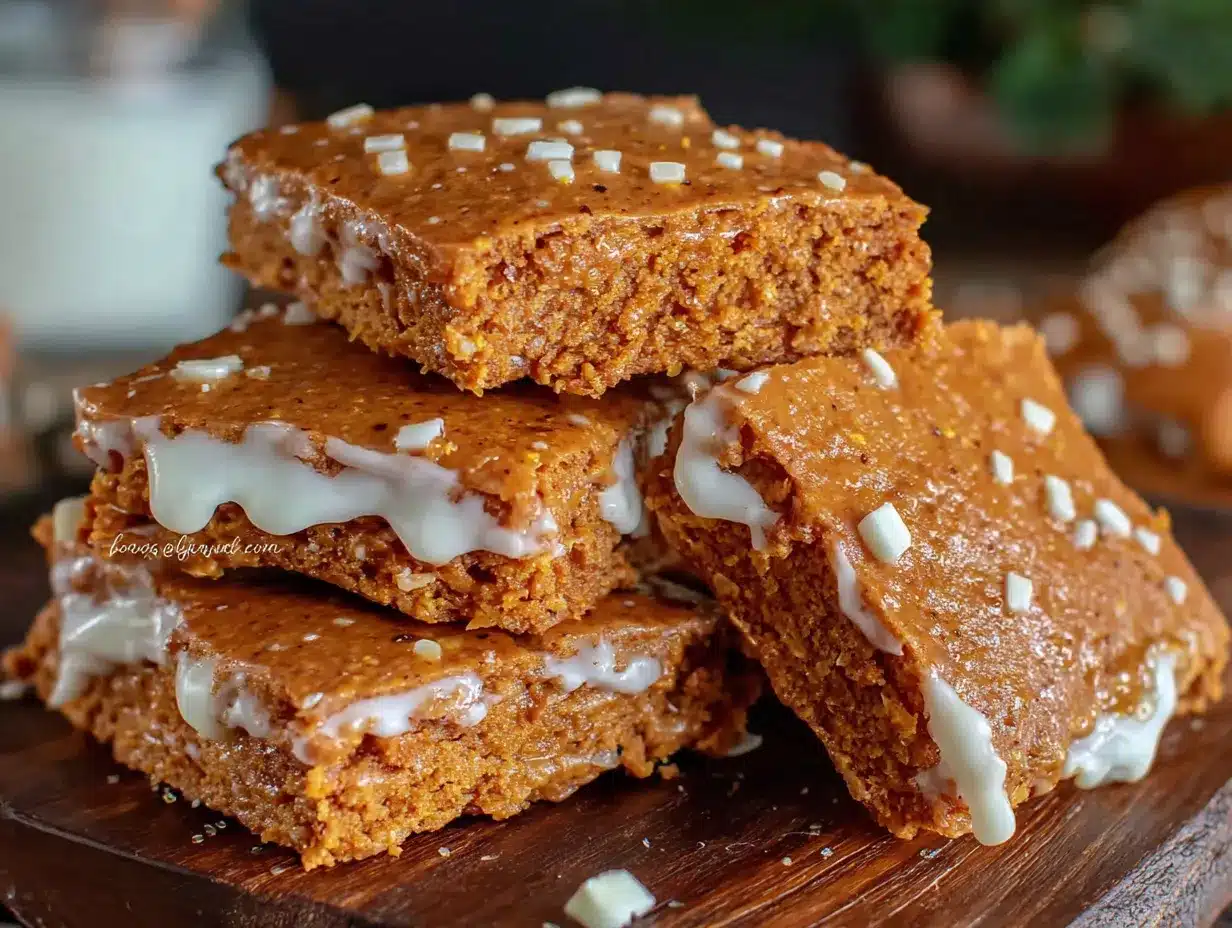
For this cozy sturdy gingerbread house dough recipe, a few kitchen tools will make the process smoother and more enjoyable. Here’s what you’ll want:
- Mixing Bowls: A large bowl for the dough and a medium one for the royal icing.
- Electric Mixer: Either a stand mixer or hand mixer. The royal icing needs good whipping and mixing to get that perfect stiff peak consistency.
- Rolling Pin: A medium-sized one with adjustable rings helps get even dough thickness, but a regular rolling pin works fine.
- Baking Sheets: Rimmed sheets lined with parchment paper for easy cleanup and even baking.
- Sharp Knife or Gingerbread House Template: I usually print templates and cut around them with a sharp paring knife—makes all the difference for clean edges.
- Piping Bags and Tips: For applying royal icing glue precisely. Zip-top bags with a small corner snip work great too.
Budget-friendly tip: If you don’t have a stand mixer, a sturdy hand whisk and some elbow grease can get you through. I’ve also found that silicone baking mats help prevent sticking, but parchment paper is an easy alternative. Keep your tools clean and dry to avoid any mishaps with dough sticking or icing not setting properly.
Preparation Method
- Mix Dry Ingredients: In a large bowl, sift together 3 cups (375g) all-purpose flour, 1 tsp baking soda, 1 tbsp ground ginger, 1 tbsp cinnamon, ½ tsp ground cloves, ½ tsp nutmeg, and ½ tsp salt. Whisk to combine evenly. This step ensures your gingerbread house dough has a consistent spice distribution. (5 minutes)
- Cream Butter and Sugar: In your mixer bowl, beat ¾ cup softened unsalted butter and ¾ cup packed dark brown sugar on medium speed until light and fluffy, about 3-4 minutes. This aeration helps the dough rise just enough for a tender texture. (4 minutes)
- Add Egg and Molasses: Beat in 1 large room temperature egg, then add ½ cup molasses. Mix until fully incorporated. The molasses gives the dough its rich color and traditional gingerbread flavor. (2 minutes)
- Combine Wet and Dry: Gradually add the dry ingredients to the wet mixture, mixing on low speed. Stop mixing as soon as the dough comes together to avoid toughness. The dough should be firm but pliable. (4 minutes)
- Chill the Dough: Wrap the dough tightly in plastic wrap and refrigerate for at least 1 hour, or overnight if possible. Chilling helps the dough firm up for easier rolling and cutting. (1 hour minimum)
- Roll Out Dough: On a lightly floured surface, roll the dough to about ¼ inch (6mm) thickness. Use your gingerbread house templates or freehand cut the shapes you need with a sharp knife. Keep edges clean for a snug fit. (10-15 minutes)
- Bake: Transfer shapes to parchment-lined baking sheets. Bake at 350°F (175°C) for 10-12 minutes. The edges should be firm but not overly browned. Overbaking can make the dough too brittle. (10-12 minutes)
- Cool Completely: Let the pieces cool on the baking sheet for 5 minutes, then transfer to wire racks to cool fully. This prevents warping and allows the dough to set before assembly. (30 minutes)
- Prepare Royal Icing Glue: Using a clean bowl and mixer, beat 3 large egg whites with 1 tsp fresh lemon juice on medium speed until foamy. Gradually add 4 cups sifted powdered sugar and continue beating until stiff glossy peaks form, about 7-10 minutes. This icing dries hard and acts as glue for your gingerbread house. (15 minutes)
- Assemble Your Gingerbread House: Use the royal icing to pipe along the edges and hold pieces together. Allow the glue to dry for at least 2 hours before decorating or moving. Patience here pays off! (2+ hours drying)
Tip: If you notice the dough is sticky while rolling, dust lightly with flour but avoid adding too much, or the dough can dry out. Also, if your royal icing feels too runny, add a bit more powdered sugar until it holds stiff peaks. I once rushed this step and, well, the roof slid right off. Lesson learned!
Cooking Tips & Techniques
Building a gingerbread house that’s both cozy and sturdy is all about technique, not just ingredients. Let me share some tips I’ve picked up along the way:
- Chill the Dough Well: Never skip chilling—warm dough is sticky and hard to cut cleanly. I usually let mine rest overnight when I have the time.
- Roll Evenly: Use rolling pin rings or a ruler to keep your dough thickness consistent. Uneven pieces can make your house wobbly.
- Cut Sharp: A sharp paring knife or pizza cutter helps get crisp edges. Dull blades tear the dough, which can cause cracks during baking.
- Don’t Overbake: The edges should be firm but not browned too dark. Overbaking makes pieces brittle and prone to breakage.
- Mix Royal Icing Thoroughly: Beat until glossy stiff peaks form—this takes time but is key for strong glue.
- Use Supports While Drying: Prop pieces gently with jars or cups while the icing dries to keep everything aligned.
- Work in Cool, Dry Conditions: Too much humidity can slow icing drying and soften gingerbread.
Honestly, I learned most of these through trial and error—like the Christmas a few years back when my house collapsed because I didn’t let the royal icing dry long enough before adding the roof. If you’re multitasking, try to give yourself at least a couple of hours for the glue to set firmly. A slow, steady build wins the race every time.
Variations & Adaptations
This gingerbread house dough recipe with royal icing glue is pretty flexible, so you can tweak it to suit your preferences or needs. Here are a few of my favorite variations:
- Gluten-Free Option: Swap all-purpose flour for a 1:1 gluten-free baking blend. The dough will be a touch more delicate, so handle carefully when cutting and baking.
- Spice Twist: Add a pinch of ground cardamom or star anise for a unique flavor profile that deepens the cozy vibe.
- Vegan Royal Icing: Use aquafaba (the liquid from canned chickpeas) whipped with powdered sugar and lemon juice instead of egg whites. I tried this once and it sets well but requires longer drying time.
- Decorative Dough: Add a tablespoon of cocoa powder to the dough for a rich chocolate gingerbread house that pairs perfectly with white royal icing.
- Alternative Sweeteners: For a lighter version, replace molasses with maple syrup, but expect a softer dough and milder flavor.
I once made a batch with pumpkin pie spice instead of the usual ginger and cinnamon—unexpectedly delightful and perfect for autumn-themed houses. Feel free to experiment and make this recipe your own cozy project.
Serving & Storage Suggestions
Once your gingerbread house is assembled and decorated, it becomes a centerpiece as much as a treat. Here’s how I like to present and preserve mine:
- Serving Temperature: Gingerbread is best served at room temperature. Cold makes the dough harder and less flavorful.
- Presentation: Set your house on a sturdy cardboard base covered in powdered sugar to mimic snow. Surround with small candies, peppermint sticks, or pine sprigs for that extra cozy look.
- Storage: Keep assembled houses in a cool, dry place away from direct sunlight. Avoid humid spots to prevent softening.
- Leftover Dough: Wrap tightly and refrigerate up to 3 days or freeze for up to 3 months. Thaw overnight in the fridge before rolling.
- Reheating: If you want to enjoy leftover gingerbread cookies from the house, warm briefly in a 300°F (150°C) oven for 5 minutes to revive softness.
- Flavor Development: The spices mellow and deepen if the house sits for a day or two, making bites even more comforting.
One cozy evening, I left a gingerbread house on the windowsill to catch the twinkling lights outside. By the next day, the flavors had settled beautifully, and it felt like a little edible hug from the past. I hope you get that same warm feeling as you build and share yours.
Nutritional Information & Benefits
This gingerbread house dough recipe offers more than just holiday cheer. Here’s a rough nutritional snapshot per serving (assuming 12 servings):
| Nutrient | Amount |
|---|---|
| Calories | 220 kcal |
| Fat | 8g |
| Carbohydrates | 35g |
| Protein | 3g |
| Sugar | 18g |
The molasses provides iron and antioxidants, while the warm spices like ginger and cinnamon have anti-inflammatory properties. This recipe is naturally gluten-containing, but can be adapted to gluten-free diets as mentioned. Egg whites in the royal icing are a good source of protein but may be allergenic for some. From a wellness perspective, making your own gingerbread house dough allows control over sugar and fat levels, and the nostalgic comfort it brings is, honestly, part of its healing power.
Conclusion
This cozy sturdy gingerbread house dough with royal icing glue recipe is truly a treasure for anyone craving that warm, nostalgic feeling of building and sharing comfort food on slow, cold evenings. It’s dependable, delicious, and forgiving enough for both first-timers and seasoned bakers. I love how it brings people together—whether it’s a quiet night with a cup of tea or a lively family gathering filled with laughter and flour-covered hands.
Feel free to customize the spices, try the variations, or even decorate extravagantly. Most of all, have fun with it and let it be your cozy winter ritual. If you make this recipe, I’d love to hear how your gingerbread house turned out—please leave a comment or share your photos! Here’s to many warm, comforting evenings filled with sweet memories and sturdy, lovely gingerbread houses.
FAQs
What makes this gingerbread dough sturdy enough for building a house?
The combination of all-purpose flour, molasses, and chilling the dough ensures it’s firm but not brittle. The dough’s thickness and baking time also contribute to a solid structure.
Can I make the royal icing glue ahead of time?
Yes! Royal icing can be made a day in advance and stored in an airtight container. Just give it a quick stir before using and cover it with a damp cloth to prevent drying out.
Is it safe to use raw egg whites in royal icing?
If you’re concerned, use pasteurized egg whites or egg white powder. Alternatively, aquafaba is a vegan and safe substitute, though it may require longer drying times.
How do I prevent my gingerbread pieces from warping during baking?
Roll the dough evenly and bake on a flat, parchment-lined baking sheet. Avoid moving the sheets too much while baking, and cool pieces flat on wire racks immediately after baking.
Can I store an assembled gingerbread house for a long time?
Yes, if kept in a cool, dry place away from humidity and direct sunlight, your gingerbread house can last for several weeks as a decoration before being enjoyed as a treat.
Pin This Recipe!
Cozy Sturdy Gingerbread House Dough Recipe with Easy Royal Icing Glue

A dependable and delicious gingerbread house dough recipe paired with easy royal icing glue, perfect for creating sturdy, edible gingerbread houses that bring warmth and nostalgia to chilly evenings.
- Prep Time: 20 minutes
- Cook Time: 12 minutes
- Total Time: 1 hour 45 minutes
- Yield: 12 servings 1x
- Category: Dessert
- Cuisine: American
Ingredients
- 3 cups (375g) all-purpose flour
- 1 tsp baking soda
- 1 tbsp ground ginger
- 1 tbsp ground cinnamon
- ½ tsp ground cloves
- ½ tsp ground nutmeg
- ½ tsp salt
- ¾ cup (170g) unsalted butter, softened
- ¾ cup (150g) packed brown sugar
- 1 large egg, room temperature
- ½ cup (120ml) molasses
- 3 large egg whites, room temperature
- 4 cups (480g) powdered sugar, sifted
- 1 tsp fresh lemon juice
Instructions
- Mix Dry Ingredients: In a large bowl, sift together 3 cups (375g) all-purpose flour, 1 tsp baking soda, 1 tbsp ground ginger, 1 tbsp cinnamon, ½ tsp ground cloves, ½ tsp nutmeg, and ½ tsp salt. Whisk to combine evenly. (5 minutes)
- Cream Butter and Sugar: In your mixer bowl, beat ¾ cup softened unsalted butter and ¾ cup packed dark brown sugar on medium speed until light and fluffy, about 3-4 minutes. (4 minutes)
- Add Egg and Molasses: Beat in 1 large room temperature egg, then add ½ cup molasses. Mix until fully incorporated. (2 minutes)
- Combine Wet and Dry: Gradually add the dry ingredients to the wet mixture, mixing on low speed. Stop mixing as soon as the dough comes together to avoid toughness. (4 minutes)
- Chill the Dough: Wrap the dough tightly in plastic wrap and refrigerate for at least 1 hour, or overnight if possible. (1 hour minimum)
- Roll Out Dough: On a lightly floured surface, roll the dough to about ¼ inch (6mm) thickness. Use gingerbread house templates or cut shapes with a sharp knife. (10-15 minutes)
- Bake: Transfer shapes to parchment-lined baking sheets. Bake at 350°F (175°C) for 10-12 minutes until edges are firm but not overly browned. (10-12 minutes)
- Cool Completely: Let pieces cool on baking sheet for 5 minutes, then transfer to wire racks to cool fully. (30 minutes)
- Prepare Royal Icing Glue: Beat 3 large egg whites with 1 tsp fresh lemon juice on medium speed until foamy. Gradually add 4 cups sifted powdered sugar and beat until stiff glossy peaks form, about 7-10 minutes. (15 minutes)
- Assemble Your Gingerbread House: Use royal icing to pipe along edges and hold pieces together. Allow glue to dry for at least 2 hours before decorating or moving. (2+ hours drying)
Notes
Chill dough well before rolling to prevent stickiness and ensure clean cuts. Use fresh lemon juice in royal icing for strong hold. Avoid overbaking to prevent brittleness. Let royal icing dry fully (at least 2 hours) before moving the assembled house. For gluten-free, substitute flour with a gluten-free blend. Aquafaba can replace egg whites for vegan royal icing but requires longer drying time.
Nutrition
- Serving Size: 1 serving (approxima
- Calories: 220
- Sugar: 18
- Fat: 8
- Carbohydrates: 35
- Protein: 3
Keywords: gingerbread house, gingerbread dough, royal icing, holiday baking, sturdy gingerbread, Christmas dessert, edible decoration