Love this? Save it for later!
Share the inspiration with your friends
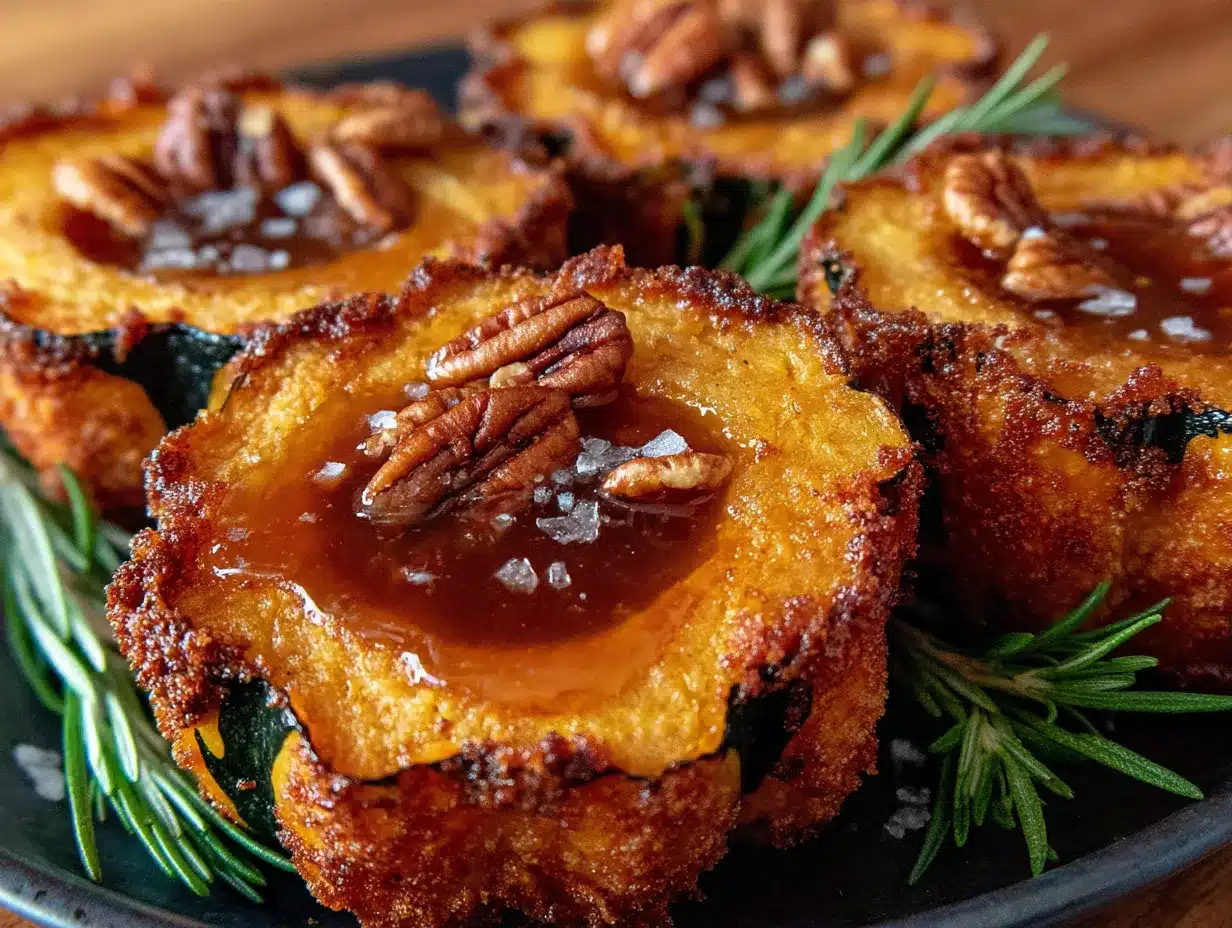
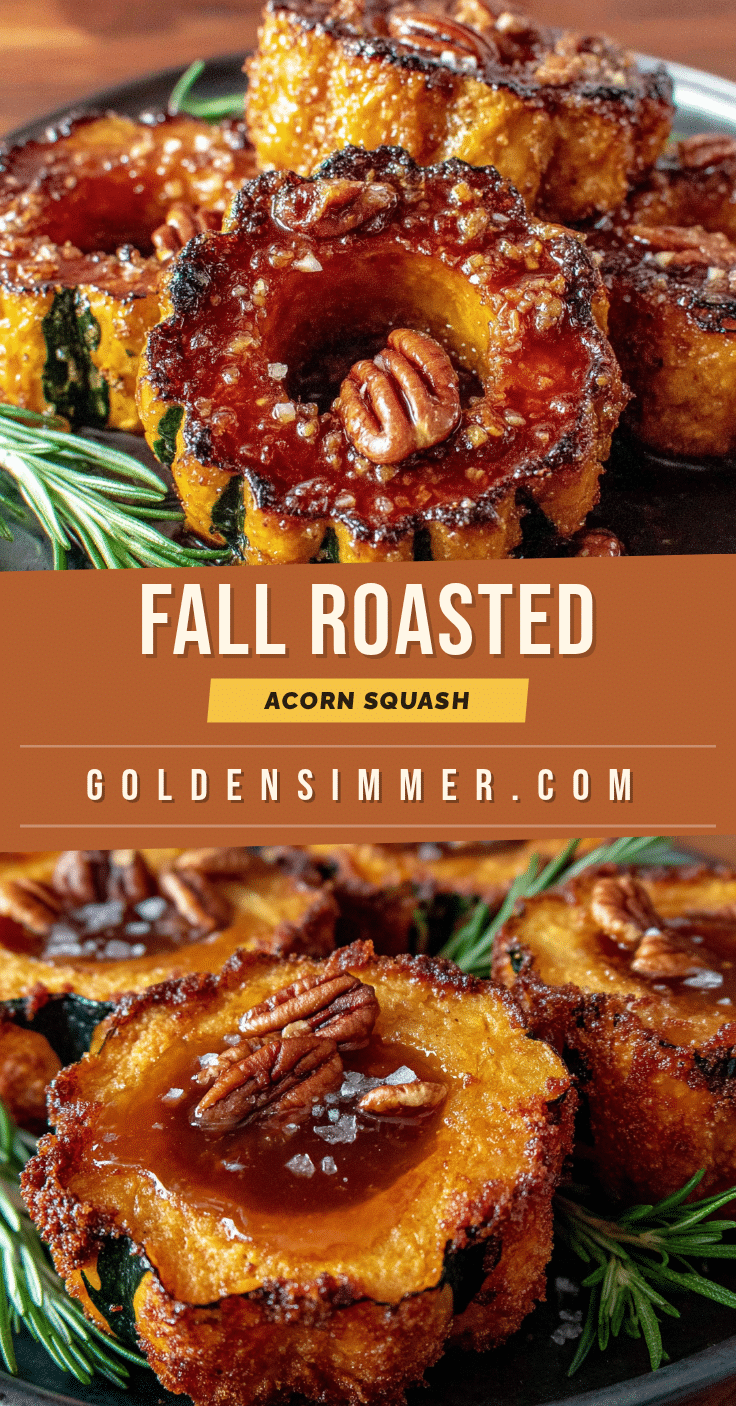
Sarah wasn’t trying to impress anyone. I’d stopped by her place on a random Tuesday afternoon to pick up a book I’d lent her months ago—honestly, I’d forgotten all about it—and the smell hit me before I even got through the front door. It was that warm, almost caramelized scent that makes you stop mid-sentence and just breathe in. She was standing in her kitchen in an old sweater, barefoot, pulling a baking sheet out of the oven like it was the most ordinary thing in the world. On it were these perfect rings of acorn squash, glistening with something that looked like liquid gold.
“Oh, those?” she said when I asked, barely looking up. “Just something I threw together. The squash was sitting on my counter looking sad.” She drizzled a little more maple butter over the top and handed me a fork. No ceremony, no big speech. And honestly? That first bite stopped me cold. The edges were caramelized and slightly chewy, the center was tender like baked sweet potato, and that maple butter—sweet, salty, with just a whisper of warm spice—was soaking into every nook and cranny. I stood there in her kitchen, eating straight off the baking sheet, probably looking like a complete fool.
I asked her for the recipe, and she kind of shrugged and said, “Roast the squash, make the butter, pour it on.” That was it. No precise measurements, no fancy techniques. But you know that feeling when something so simple just works? This is one of those recipes. It’s become my go-to for fall gatherings, quiet weeknights, and honestly, any time I need to feel like I’ve got my act together in the kitchen. Maybe you’ve been there—standing over a pan of something unexpectedly perfect, wondering why you’ve never made it before. Let me tell you, these Fall Roasted Acorn Squash Rings with Maple Butter are about to become your new seasonal obsession.
Why You’ll Love This Recipe
I’ve tested this recipe more times than I care to admit—different squash sizes, varying oven temperatures, even a few disastrous attempts with burnt maple syrup (we don’t talk about those). After all that trial and error, I can confidently say this version is the one. Here’s why it works so beautifully:
- Quick & Easy: From counter to table in about 40 minutes, with only 10 minutes of active prep. Perfect for those busy fall weeknights when you want something that feels special without the fuss.
- Simple Ingredients: You need exactly six ingredients—acorn squash, butter, maple syrup, cinnamon, nutmeg, and salt. That’s it. No trips to specialty stores or searching for obscure spices.
- Perfect for Fall Gatherings: Whether it’s Thanksgiving dinner, a cozy Friendsgiving, or just a Tuesday night that calls for something warm and comforting, these squash rings fit right in.
- Crowd-Pleaser: I’ve served these to kids who “don’t like vegetables” and adults who claimed they were “not squash people.” Every single time, the pan comes back empty. There’s something about that caramelized edge and sweet maple finish that just works for everyone.
- Unbelievably Delicious: The texture is what gets me every time. The rings go from firm and slightly crisp on the outside to melt-in-your-mouth tender on the inside. That maple butter creates a glaze that’s part candy, part savory—it’s next-level comfort food, honestly.
What makes this recipe different from all the other roasted squash recipes out there? It’s the method. Cutting the squash into rings instead of halves or cubes means every piece gets that perfect caramelized edge. Plus, the maple butter isn’t just drizzled on at the end—you brush it on during roasting, letting it sink in and create that glossy, almost candied coating. It’s not just another roasted vegetable dish; it’s the roasted vegetable dish that’ll steal the show.
This is the kind of recipe that makes you close your eyes after the first bite. It’s comfort food reimagined—simpler, faster, but with the same soul-soothing satisfaction. Perfect for impressing guests without stress, or turning a simple fall meal into something memorable.
What Ingredients You Will Need
This recipe uses simple, wholesome ingredients to deliver bold flavor and satisfying texture without the fuss. Most of these are probably already in your kitchen, especially if you’re a fall cooking enthusiast like me. Let’s break down what you’ll need and why each ingredient matters.
- 1 large acorn squash (about 2-2.5 pounds): Look for one that feels heavy for its size with a deep green color and a patch of orange on the side—that’s a sign it’s fully ripe. The ridges should be firm, not soft or mushy. I’ve found that organic squash tends to have a slightly sweeter, more concentrated flavor, but conventional works just fine too.
- 4 tablespoons unsalted butter, melted: I recommend using a good-quality butter like Kerrygold or Plugrà for the richest flavor. If you’re dairy-free, you can substitute with a high-quality vegan butter or even coconut oil (though the flavor will shift slightly).
- 3 tablespoons pure maple syrup: Please, please don’t use pancake syrup here. You want the real deal—pure maple syrup with that deep, complex sweetness. Grade A dark amber is my personal favorite for this recipe because it has a stronger maple flavor that stands up to roasting. Local maple syrup is even better if you can find it.
- 1 teaspoon ground cinnamon: This warm spice is the backbone of the maple butter. I prefer Ceylon cinnamon for its milder, more floral notes, but regular cassia cinnamon works beautifully too. If you’re out of cinnamon, you can use pumpkin pie spice in a pinch.
- ½ teaspoon ground nutmeg: Freshly grated nutmeg makes a world of difference here. I know it’s an extra step, but honestly, the aroma alone is worth it. A whole nutmeg will last for months in your spice drawer, and you can grate it right over the butter mixture.
- ½ teaspoon salt: Don’t skip this! Salt is what balances the sweetness of the maple and the natural sugar in the squash. I use fine sea salt for even distribution, but flaky sea salt sprinkled on at the end makes a beautiful finishing touch.
- Optional garnish: fresh thyme or rosemary sprigs: A few fresh herbs add a pop of color and an earthy note that cuts through the sweetness. I’ve also used sage leaves for a more traditional fall flavor profile.
One thing I’ve learned from making this recipe over and over: the quality of your maple syrup really matters. I once used a cheaper brand that was thinner and less flavorful, and the final dish just didn’t have that same depth. Spend the extra couple of dollars on good syrup—your taste buds will thank you.
For substitutions, you can swap the butter with ghee for a nuttier flavor, or use coconut oil for a dairy-free version. If you’re watching your sugar intake, you can reduce the maple syrup to 2 tablespoons and add a pinch of stevia or monk fruit sweetener, though the texture won’t be quite as glossy.
Equipment Needed
You don’t need a fancy kitchen to make these Fall Roasted Acorn Squash Rings with Maple Butter. In fact, you probably already own everything on this list. But let me share a few tips based on my own trial and error.
- Sharp chef’s knife: This is non-negotiable. Acorn squash is dense and tough, and a dull knife is a recipe for disaster. I learned this the hard way after a close call with a slipping blade. A good 8-inch chef’s knife makes clean, safe cuts. If your knife is dull, take a few minutes to sharpen it first.
- Cutting board: A sturdy wooden or plastic board with a non-slip bottom. I prefer a large board so I have plenty of room to work.
- Large baking sheet: A rimmed baking sheet is essential to catch any dripping maple butter. I use a half-sheet pan (18×13 inches) which fits one large squash perfectly. If you’re doubling the recipe, use two pans to avoid overcrowding.
- Parchment paper or aluminum foil: This makes cleanup so much easier. The maple butter can caramelize and stick to the pan, and scrubbing that off is no fun. Parchment paper is my preference because it’s non-stick and eco-friendly.
- Small bowl: For mixing the maple butter. Any small bowl will do, but I like using a glass measuring cup with a spout for easy pouring.
- Pastry brush or silicone basting brush: This is key for evenly coating the squash rings. A silicone brush is easier to clean and doesn’t shed bristles like some natural ones do. If you don’t have a brush, you can use a spoon to drizzle the butter over the rings, but a brush gives you more control.
- Metal spatula: For flipping the rings halfway through roasting. A thin, flexible spatula works best for getting under the caramelized edges without breaking them.
If you don’t have a pastry brush, don’t worry—I’ve used a folded paper towel to brush on the butter in a pinch, and it worked just fine. The key is getting that maple butter onto every surface of the squash.
Preparation Method
Alright, let’s get cooking! I’ve broken this down into clear steps with all the little details I’ve picked up along the way. Trust me on the timing and temperatures—I’ve tested this more times than I can count.
- Preheat your oven to 400°F (200°C). Line a large baking sheet with parchment paper or aluminum foil. Getting the oven fully preheated is important—you want that initial blast of heat to start caramelizing the squash right away.
- Prepare the acorn squash. Using a sharp chef’s knife, carefully cut off both ends of the squash—just about ¼ inch from each tip. This creates flat surfaces that make the squash stable to work with. Stand the squash upright on one of the cut ends. Now, slice crosswise into rings about ¾ inch thick. You should get about 5-6 rings from a medium squash. Using a spoon or your fingers, scrape out the seeds and stringy pulp from the center of each ring. Don’t worry about getting every last bit of string—a little left behind is fine and will soften during roasting.
- Make the maple butter. In a small bowl, combine the melted butter, maple syrup, cinnamon, nutmeg, and salt. Whisk until everything is well combined. Taste it—yes, really. It should be sweet, salty, and warmly spiced. Adjust the salt or cinnamon to your preference. This is your moment to customize.
- Arrange the squash rings. Place the cleaned squash rings in a single layer on the prepared baking sheet. Make sure they’re not touching—if they overlap, they’ll steam instead of roast, and you won’t get those beautiful caramelized edges. If your squash is large and the rings don’t fit, use a second baking sheet.
- Brush with maple butter. Using your pastry brush, generously brush the tops and sides of each squash ring with the maple butter mixture. Don’t be shy here—you want every surface coated. Flip each ring over and brush the other side too. If you have any maple butter left in the bowl, drizzle it evenly over the rings. Reserve about a tablespoon for brushing later.
- Roast for 20 minutes. Place the baking sheet in the preheated oven and roast for 20 minutes. At this point, the squash should be starting to soften and the edges should be turning golden. The kitchen will smell incredible—like a fall candle, but better.
- Flip and brush again. Remove the baking sheet from the oven. Using a metal spatula, carefully flip each ring over. Brush the tops with the remaining maple butter. This second coating is what creates that gorgeous glossy finish. Don’t skip this step—it makes all the difference.
- Roast for another 15-20 minutes. Return the baking sheet to the oven and roast until the squash is tender when pierced with a fork and the edges are deeply caramelized—almost brown in spots. The total roasting time should be 35-40 minutes. If you want extra caramelization, you can broil for 1-2 minutes at the end, but watch closely—maple syrup burns fast.
- Rest and serve. Let the squash rings rest on the baking sheet for 5 minutes before serving. This allows the maple butter to set slightly and the flavors to settle. Transfer to a serving platter, drizzle any remaining caramelized butter from the pan over the top, and garnish with fresh thyme or rosemary if desired.
A few sensory cues to watch for: The squash should be fork-tender but not mushy—think al dente pasta, but for vegetables. The edges should be dark golden and slightly crispy, with the maple butter forming a thin, glossy glaze. If you see any spots that are getting too dark before the rest is done, just rotate the pan or move those rings to a cooler spot.
One thing I learned the hard way: don’t crowd the pan. I tried to cram two squashes onto one baking sheet once, and the rings ended up steaming instead of roasting. They were still tasty, but they lacked that beautiful caramelized exterior that makes this dish special. Give those rings some breathing room!
Cooking Tips & Techniques
After making these Fall Roasted Acorn Squash Rings with Maple Butter about a dozen times, I’ve collected a few tricks that’ll help you nail it on the first try. Let me share what I’ve learned—including the mistakes that taught me the most.
Getting clean cuts every time. Acorn squash can be tricky to cut because of its ridges. Here’s the trick: microwave the whole squash for 2 minutes before cutting. It softens the skin just enough to make slicing easier without actually cooking the flesh. I discovered this after a particularly scary knife slip that nearly ended badly. Now I never skip this step.
The perfect ring thickness. Aim for ¾ inch thick—not too thin, not too thick. If you cut them too thin (under ½ inch), they’ll dry out and burn before the center is tender. Too thick (over 1 inch), and they’ll be undercooked in the middle while the edges get too dark. I actually used a ruler the first few times until I got the hang of it. No shame in that!
Even caramelization is key. The biggest mistake I made early on was not flipping the rings. I thought brushing them once would be enough, but the bottom side would end up pale and soft while the top was beautifully browned. Flipping and brushing again halfway through ensures every surface gets that gorgeous caramelized treatment.
Watch your oven like a hawk. Every oven runs differently. My old oven ran hot and would burn the maple butter if I looked away for too long. Start checking at the 30-minute mark. The squash is done when a fork slides in with gentle resistance—not too firm, not falling apart. If the edges are getting too dark but the centers aren’t done yet, tent loosely with foil and continue roasting.
Multitasking strategy. While the squash roasts, you can prep the rest of your meal. These rings pair beautifully with roasted chicken or pork, so you can roast everything together. Just make sure the squash isn’t crowded on the pan. I’ve also made the maple butter mixture up to three days ahead and stored it in the fridge—just warm it gently before using.
Room temperature ingredients matter. I know it sounds fussy, but make sure your butter is melted but not hot when you mix it with the maple syrup. If the butter is too hot, it can cause the maple syrup to seize up slightly, creating a grainy texture. Let the melted butter cool for a minute or two before whisking in the syrup.
Variations & Adaptations
One of the things I love most about this recipe is how adaptable it is. Over the past few months, I’ve experimented with all sorts of variations, and here are some of my favorites.
Savory Herb Version. Skip the cinnamon and nutmeg, and instead add 1 teaspoon dried thyme, ½ teaspoon garlic powder, and a pinch of black pepper to the maple butter. The herbs cut through the sweetness and make this version perfect alongside roast chicken or pork. I actually prefer this version for Thanksgiving dinner—it’s less sweet and pairs better with all the other rich dishes on the table.
Spicy Maple Version. Add ¼ teaspoon cayenne pepper or red pepper flakes to the maple butter. The heat builds slowly and contrasts beautifully with the sweet maple and tender squash. My neighbor tried this version and now makes it every week—she calls it “squash with a kick.”
Vegan Option. Substitute the butter with coconut oil or a high-quality vegan butter. I’ve used both, and honestly, the coconut oil version has a lovely subtle coconut flavor that works surprisingly well with the maple and spices. Just make sure your maple syrup is 100% pure—some cheaper brands add honey or other non-vegan ingredients.
Air Fryer Adaptation. I tested this in my air fryer last week, and it works beautifully. Cook at 375°F (190°C) for 12-15 minutes, flipping halfway through. The cooking time is shorter, and the rings get even crispier on the outside. You’ll need to work in batches to avoid overcrowding, but it’s worth it for that extra crunch.
Different Squash Varieties. While acorn squash is my favorite for its shape and flavor, you can use butternut squash (cut into ¾-inch rounds) or delicata squash (which doesn’t even need peeling). Each variety brings its own texture and sweetness level. Delicata is especially nice because the skin is tender enough to eat.
Sweet and Smoky Version. Add ½ teaspoon smoked paprika to the maple butter along with the cinnamon. The smokiness adds a whole new dimension that’s perfect for fall barbecues or outdoor gatherings. I stumbled on this combination by accident when I grabbed the wrong spice jar, and it turned out to be a happy mistake.
Serving & Storage Suggestions
These Fall Roasted Acorn Squash Rings with Maple Butter are incredibly versatile when it comes to serving. Here’s how I like to present and store them.
Serving temperature and presentation. Serve these rings warm, right from the oven. The maple butter is at its glossy, luscious best when it’s still hot. Arrange the rings on a large platter in a slightly overlapping pattern—it looks intentional and beautiful. Drizzle any remaining caramelized butter from the pan over the top, and garnish with fresh thyme or rosemary sprigs. A sprinkle of flaky sea salt just before serving adds a lovely finishing touch.
What to serve alongside. These squash rings are the perfect side dish for roasted chicken, turkey, pork chops, or even a simple seared steak. They also work beautifully as part of a vegetarian main course—serve them alongside a hearty grain salad or stuffed into a warm pita with greens and tahini dressing. For a complete fall meal, I love serving them with roasted Brussels sprouts and wild rice pilaf.
Storage instructions. Leftover squash rings can be stored in an airtight container in the refrigerator for up to 4 days. The texture will soften slightly upon reheating, but the flavor remains delicious. I actually think they’re pretty tasty cold, straight from the fridge—like a sweet, savory snack.
Reheating methods. The best way to reheat these is in the oven at 350°F (175°C) for 5-7 minutes. This helps restore some of the caramelized exterior. You can also reheat them in an air fryer at 350°F for 3-4 minutes. Avoid the microwave if possible—it makes the squash mushy and the maple butter turns sticky rather than glossy. If you’re in a hurry, the microwave will work, just know the texture won’t be quite the same.
How flavors develop over time. Interestingly, these squash rings taste even better the next day. The maple butter has time to fully absorb into the squash, and the spices mellow and meld together. I often make a double batch specifically for leftovers—they’re that good.
Freezing instructions. You can freeze the roasted squash rings for up to 3 months. Let them cool completely, then arrange in a single layer on a baking sheet and freeze until solid. Transfer to a freezer-safe bag or container. To serve, reheat directly from frozen in a 375°F (190°C) oven for 10-12 minutes. The texture won’t be quite as crisp as fresh, but the flavor holds up beautifully.
Nutritional Information & Benefits
I’m not a nutritionist, but I’ve done my research on the ingredients in this dish, and I’m happy to share what I’ve learned. These Fall Roasted Acorn Squash Rings with Maple Butter aren’t just delicious—they bring some genuine nutritional benefits to the table.
Estimated nutritional values per serving (based on 4 servings, using the full amount of maple butter):
- Calories: approximately 220
- Total Fat: 12g
- Saturated Fat: 7g
- Carbohydrates: 28g
- Fiber: 4g
- Sugar: 14g
- Protein: 2g
- Sodium: 290mg
- Vitamin A: 45% of Daily Value
- Vitamin C: 30% of Daily Value
Health benefits of key ingredients. Acorn squash is packed with vitamin A (in the form of beta-carotene), which supports eye health and immune function. It’s also a good source of vitamin C, potassium, and fiber. The maple syrup, while still sugar, contains antioxidants and minerals like zinc and manganese—more than regular white sugar, anyway. And yes, that butter has some saturated fat, but it also provides fat-soluble vitamins A, D, E, and K that help your body absorb the nutrients from the squash.
Dietary considerations. This recipe is naturally gluten-free and vegetarian. To make it vegan, simply substitute the butter with coconut oil or vegan butter. For a lower-sugar version, reduce the maple syrup to 2 tablespoons—the natural sweetness of the squash will still shine through.
Potential allergens. This recipe contains dairy (butter). If you have a dairy allergy, the vegan substitutions mentioned above work beautifully. The recipe is free from the top eight allergens except dairy, making it a great option for many dietary needs.
I personally love that this dish feels indulgent but is actually quite wholesome. It’s the kind of recipe that satisfies your craving for something sweet and comforting without leaving you feeling weighed down. That’s a win in my book.
FAQs
Can I make these acorn squash rings ahead of time?
Absolutely! You can prepare the squash rings and the maple butter separately up to 24 hours in advance. Store the cut rings in a bowl of cold water in the refrigerator to prevent browning, and keep the maple butter in an airtight container. When you’re ready to serve, just drain the rings, pat them dry, and proceed with the recipe. You may need to add 5-10 minutes to the roasting time since the rings will be cold going into the oven.
Why are my squash rings not getting caramelized?
This usually happens for one of three reasons: your oven isn’t hot enough, the rings are too crowded on the pan, or you didn’t use enough maple butter. Make sure your oven is fully preheated to 400°F (200°C), arrange the rings in a single layer without touching, and be generous with that maple butter. If you’re still having trouble, try broiling for the last 1-2 minutes—but watch closely to prevent burning.
Can I use butternut squash instead of acorn squash?
Yes, butternut squash works beautifully as a substitute. Cut it into ¾-inch rounds and remove the seeds from the center. The flavor is slightly sweeter and the texture is a bit denser than acorn squash, but the maple butter complements it perfectly. You may need to adjust the roasting time by 5-10 minutes depending on the thickness of your rounds.
How do I prevent the maple butter from burning?
Maple syrup has a lower smoke point than butter, so it can burn if exposed to high heat for too long. To prevent this, make sure your oven temperature is accurate (use an oven thermometer if you’re unsure), and keep an eye on the squash during the last 10 minutes of roasting. If the edges are getting too dark but the centers aren’t done yet, tent the pan loosely with aluminum foil and continue roasting.
Can I double this recipe for a crowd?
Definitely! This recipe scales beautifully. Just make sure to use two baking sheets instead of one to avoid overcrowding. You may need to rotate the pans halfway through roasting to ensure even cooking. The maple butter can be doubled or tripled easily—just adjust the spices to taste. Leftovers (if there are any) are fantastic the next day.
Conclusion
These Fall Roasted Acorn Squash Rings with Maple Butter have become a staple in my kitchen for good reason. They’re simple enough for a quiet weeknight, impressive enough for a holiday table, and adaptable enough to fit almost any dietary need or flavor preference. That first bite—the one that stopped me cold in Sarah’s kitchen—still hits me every single time I make them.
I hope you’ll give this recipe a try and make it your own. Maybe you’ll add a pinch of cayenne for heat, or swap in fresh sage for a more savory profile. Maybe you’ll serve them alongside a roast chicken for Sunday dinner, or pile them onto a salad for lunch the next day. However you choose to enjoy them, I’d love to hear about it. Drop a comment below and let me know how your squash rings turned out—did you stick with the classic version, or did you try one of the variations? Share a photo if you’re feeling fancy!
Here’s to the recipes that come from ordinary afternoons, the ones that remind us that the best things in life are often the simplest. Happy cooking, friends. Your fall table is about to get a whole lot more delicious.
Pin This Recipe!
Easy Fall Roasted Acorn Squash Rings with Maple Butter
These roasted acorn squash rings are brushed with a sweet and savory maple butter, then roasted until caramelized and tender. A simple, crowd-pleasing side dish perfect for fall gatherings or weeknight dinners.
- Prep Time: 10 minutes
- Cook Time: 35-40 minutes
- Total Time: 45-50 minutes
- Yield: 4 servings 1x
- Category: Side Dish
- Cuisine: American
Ingredients
- 1 large acorn squash (about 2–2.5 pounds)
- 4 tablespoons unsalted butter, melted
- 3 tablespoons pure maple syrup
- 1 teaspoon ground cinnamon
- ½ teaspoon ground nutmeg
- ½ teaspoon salt
- Optional garnish: fresh thyme or rosemary sprigs
Instructions
- Preheat your oven to 400°F (200°C). Line a large baking sheet with parchment paper or aluminum foil.
- Prepare the acorn squash: Using a sharp chef’s knife, carefully cut off both ends of the squash—just about ¼ inch from each tip. Stand the squash upright on one of the cut ends. Slice crosswise into rings about ¾ inch thick. You should get about 5-6 rings from a medium squash. Using a spoon or your fingers, scrape out the seeds and stringy pulp from the center of each ring.
- Make the maple butter: In a small bowl, combine the melted butter, maple syrup, cinnamon, nutmeg, and salt. Whisk until well combined.
- Arrange the squash rings in a single layer on the prepared baking sheet, making sure they are not touching.
- Brush the tops and sides of each squash ring generously with the maple butter mixture. Flip each ring over and brush the other side. Reserve about a tablespoon for brushing later.
- Roast for 20 minutes.
- Remove the baking sheet from the oven. Flip each ring over using a metal spatula. Brush the tops with the remaining maple butter.
- Roast for another 15-20 minutes, until the squash is tender when pierced with a fork and the edges are deeply caramelized.
- Let the squash rings rest on the baking sheet for 5 minutes before serving. Transfer to a serving platter, drizzle any remaining caramelized butter from the pan over the top, and garnish with fresh thyme or rosemary if desired.
Notes
For extra caramelization, broil for 1-2 minutes at the end, but watch closely. To make it vegan, substitute butter with coconut oil or vegan butter. Leftovers can be stored in an airtight container in the refrigerator for up to 4 days. Reheat in the oven at 350°F for 5-7 minutes.
Nutrition
- Serving Size: 1 serving (about 1-2
- Calories: 220
- Sugar: 14
- Sodium: 290
- Fat: 12
- Saturated Fat: 7
- Carbohydrates: 28
- Fiber: 4
- Protein: 2
Keywords: acorn squash, maple butter, roasted squash, fall recipe, easy side dish, vegetarian, gluten-free