Love this? Save it for later!
Share the inspiration with your friends
My neighbor Marta asked me why I couldn’t just use a little less butter and swap in some yogurt. I was in the middle of explaining—quite patiently, I thought—that traditional Pan de Muerto is a delicate balance, that the richness is the whole point, and that you don’t mess with a recipe that’s been around for centuries. I stopped. I mean, who was I, really, to be the gatekeeper of bread?
Honestly, I was being a bit of a snob. I’d spent years perfecting my version, a buttery, eggy loaf that I’d bring to our annual Día de Muertos potluck. It was my thing. Marta, who is from Oaxaca and has probably forgotten more about Mexican baking than I’ll ever know, just shrugged and said, “It’s bread for the dead, not a chemistry test. Try it.” So, feeling a little sheepish, I did. And let me tell you, the moment that first batch came out of the oven—golden, fragrant, with a crumb that was somehow both tender and airy—I knew I had been wrong.
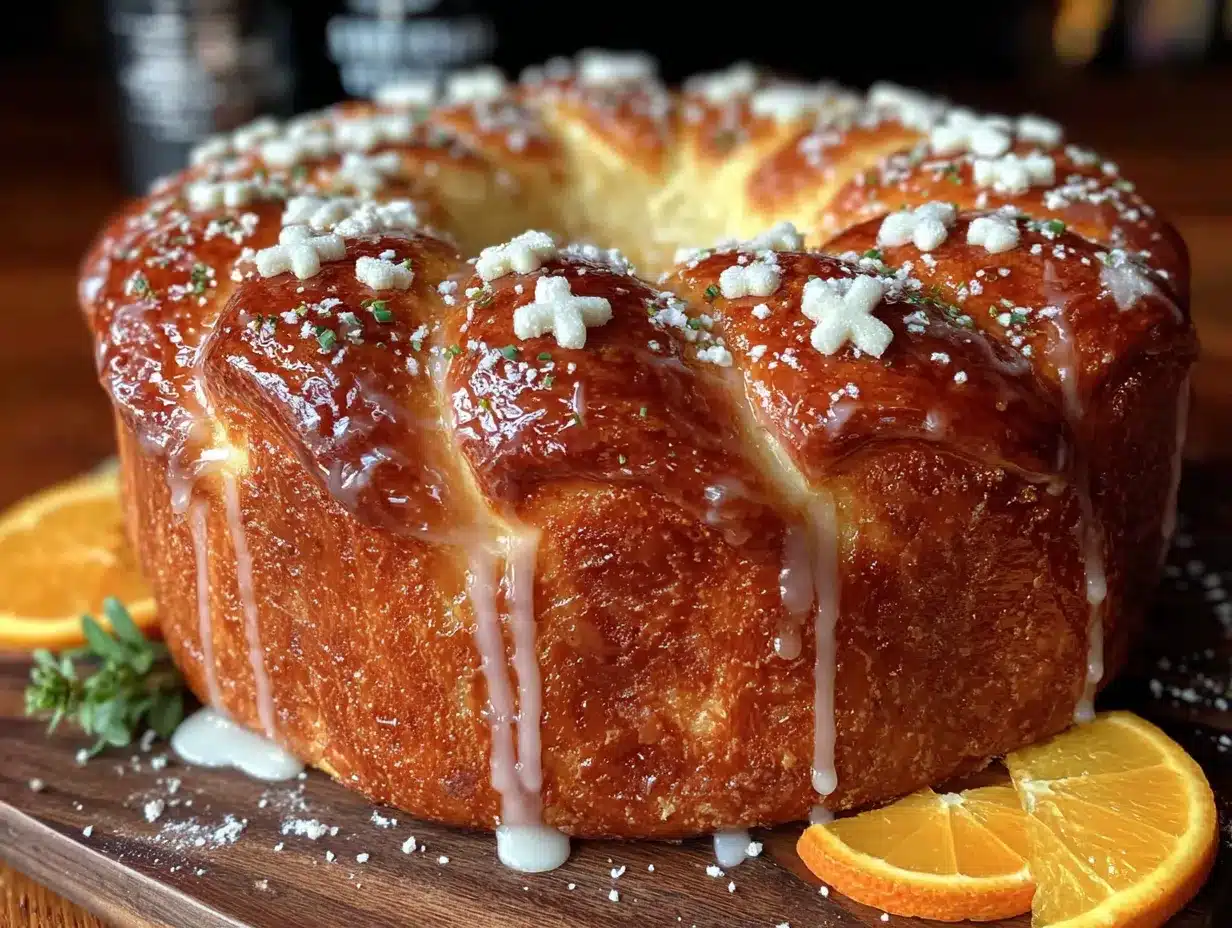
The best part was the glaze. I had a bottle of orange blossom water that I’d bought on a whim and never opened. Marta suggested brushing it on warm with a little powdered sugar. The scent that filled my kitchen that Tuesday afternoon was otherworldly. It was a mix of toasted anise, citrus, and flowers—like a garden party for your soul. I stood there holding the warm loaf, feeling the steam rise, and thought about how we so often hold onto traditions like they’re made of glass. But maybe, just maybe, a little kindness and a lighter hand can make a tradition even more meaningful.
That’s why I keep making this lighter Pan de Muerto with Orange Blossom Glaze. It’s not a compromise. It’s a revelation. Maybe you’ve been there, too—hesitant to change a recipe that feels sacred. I get it. But give this one a try. You might find, like I did, that the best traditions leave room for a little evolution.
Why You’ll Love This Recipe
This isn’t just another version of a classic bread. It’s the version you’ll actually want to make on a Tuesday night, not just for a holiday. I’ve tested this recipe six times—yes, six—to get the texture just right without the heavy feeling that sometimes comes with traditional Pan de Muerto. Here’s why it works:
- Quick & Easy: The active prep time is under 25 minutes. The dough does the hard work while you do other things. Perfect for a weekend baking project or a weekday treat.
- Simple Ingredients: You likely have flour, sugar, eggs, and yeast in your pantry right now. The only special item is orange blossom water, and it’s worth the tiny investment.
- Perfect for Día de Muertos (or Any Day): This bread is traditionally made for the holiday, but its light, floral sweetness makes it a wonderful breakfast or afternoon snack all year round.
- Crowd-Pleaser: I brought a loaf to my book club last month, and three people asked for the recipe. It disappeared before the discussion even started.
- Unbelievably Delicious: The crumb is soft and slightly fluffy, with a subtle hint of orange and anise. The glaze adds a delicate crunch that melts on your tongue. It’s comfort food that doesn’t weigh you down.
What makes this recipe different is the technique. By swapping a portion of the butter for Greek yogurt, we get a tender crumb without the extra fat. The orange blossom glaze isn’t just a topping; it’s a flavor bridge that ties the bread together. This isn’t a compromise—it’s an improvement.
What Ingredients You Will Need
This recipe uses simple, wholesome ingredients to deliver that signature Pan de Muerto flavor and texture, but with a lighter touch. Most of these are pantry staples, and the substitutions are easy if you need them.
- All-purpose flour: 3 cups (360g). I prefer Gold Medal for consistent results, but any brand works. Spoon and level your flour for accuracy.
- Active dry yeast: 1 packet (2 ¼ teaspoons). You can use instant yeast if you prefer; just skip the proofing step and mix it directly with the dry ingredients.
- Warm milk: ½ cup (120ml), about 110°F. Use whole milk for the best texture, but 2% works fine. For a dairy-free version, use oat milk—it has a neutral flavor.
- Granulated sugar: ⅓ cup (65g). Just enough to sweeten the dough without overpowering the floral notes.
- Unsalted butter, softened: 3 tablespoons (42g). This is the lighter part—traditional recipes use up to a full stick. The yogurt does the heavy lifting here.
- Plain Greek yogurt: ¼ cup (60g). This adds moisture and tenderness while reducing fat. I recommend Fage 2% for its thickness.
- Large eggs: 2, at room temperature. They provide structure and richness. For a vegan option, use 2 flax eggs (2 tablespoons ground flax + 6 tablespoons water).
- Orange zest: 1 tablespoon, from about 1 large orange. Use organic if possible—the zest adds a bright, clean flavor.
- Anise seed: 1 teaspoon, lightly crushed. This is the secret to that authentic Pan de Muerto aroma. You can substitute fennel seed in a pinch, but the flavor will be slightly different.
- Salt: ½ teaspoon. Don’t skip it—it balances the sweetness.
- For the glaze: 1 cup (120g) powdered sugar, 2 tablespoons orange blossom water, and 1-2 tablespoons milk or water. Orange blossom water is available at most Middle Eastern grocery stores or online. It’s not expensive, and a little bottle lasts forever.
Equipment Needed
You don’t need a fancy bakery setup for this. Here’s what I use:
- Stand mixer with dough hook: This makes kneading effortless, but you can absolutely do it by hand. It’ll take about 10 minutes of arm work.
- Large mixing bowl: For proofing the dough. Glass or ceramic works best because they hold warmth.
- Baking sheet: Line it with parchment paper for easy cleanup. I use a half-sheet pan.
- Pastry brush: For applying the glaze. A silicone one is great, but a regular bristle brush works too.
- Ruler or tape measure: Okay, this sounds nerdy, but it helps when shaping the “bones” for the top decoration. A bench scraper also works.
- Cooling rack: Essential for letting the bread cool evenly before glazing.
If you don’t have a stand mixer, just knead the dough on a lightly floured surface. It’s a good arm workout! I’ve done it both ways, and the bread turns out beautifully either way.
Preparation Method
Let’s walk through this step by step. I’ll include the sensory cues so you know exactly what to look for.
- Proof the yeast: In a small bowl, combine the warm milk (110°F) with 1 tablespoon of the sugar. Sprinkle the yeast on top and let it sit for 5-7 minutes. It should become frothy and smell like bread. If it doesn’t, your milk was too hot or the yeast is old—start over.
- Mix the dry ingredients: In the bowl of your stand mixer, whisk together the flour, remaining sugar, anise seed, orange zest, and salt. This distributes the flavors evenly.
- Combine the wet ingredients: In a separate bowl, whisk the eggs, softened butter, and Greek yogurt until smooth. It might look a little lumpy—that’s fine.
- Bring it together: Pour the yeast mixture and the egg mixture into the dry ingredients. Mix on low speed with the dough hook until a shaggy dough forms. This takes about 2 minutes. Scrape down the sides as needed.
- Knead: Increase to medium speed and knead for 6-8 minutes. The dough should pull away from the sides of the bowl and feel smooth and elastic. If it’s too sticky, add flour 1 tablespoon at a time. If it’s too dry, add milk 1 teaspoon at a time. The dough should feel soft and supple, like a baby’s cheek.
- First proof: Place the dough in a lightly oiled bowl, cover with plastic wrap or a damp towel, and let it rise in a warm spot for 1.5 to 2 hours. It should double in size. I put mine in the microwave with a cup of hot water—it creates a perfect proofing environment.
- Shape the loaf: Punch down the dough gently. Reserve about ¼ of it for the decorative bones. Shape the remaining dough into a round ball by tucking the edges under. Place it on the parchment-lined baking sheet.
- Make the decorations: Divide the reserved dough into 4 equal pieces. Roll each into a rope about 6 inches long. These are your “bones.” Arrange them in a cross pattern on top of the loaf, pressing the ends gently into the sides. You can also make a small round ball for the center top—this represents a skull.
- Second proof: Cover loosely with a towel and let it rise for another 45-60 minutes. It should look puffy and almost jiggly when you gently shake the baking sheet.
- Bake: Preheat your oven to 350°F (175°C). Bake for 20-25 minutes, until the top is deep golden brown and the loaf sounds hollow when tapped on the bottom. If the top browns too quickly, tent it with foil halfway through.
- Glaze: Let the bread cool on the baking sheet for 10 minutes, then transfer to a cooling rack. While it’s still warm, whisk together the powdered sugar and orange blossom water. Add milk 1 teaspoon at a time until you get a pourable consistency. Brush generously over the warm bread. The glaze will soak in slightly and form a delicate, fragrant crust.
- Cool completely: Let the bread cool for at least 30 minutes before slicing. I know, it’s hard to wait. But the flavors need time to settle.
Cooking Tips & Techniques
I’ve made a few mistakes so you don’t have to. Here’s what I’ve learned:
- Don’t skip the anise. I tried making this without it once, thinking it wouldn’t matter. It did. The anise gives that unmistakable Pan de Muerto character. If you really can’t find it, fennel seed is okay, but crush it lightly first.
- Temperature matters. If your kitchen is cold, the dough will take forever to rise. I’ve been there—it’s frustrating. Use the microwave trick: heat a cup of water for 2 minutes, then place your covered bowl inside. The steam and warmth work wonders.
- Don’t over-flour the dough. When shaping, use just enough flour to keep it from sticking. Too much flour makes the bread dense. A slightly sticky dough is a happy dough.
- Glaze while warm. This is non-negotiable. If you wait until the bread is completely cool, the glaze will just sit on top instead of soaking in. You want that subtle floral sweetness throughout.
- Double the recipe. I’m serious. One loaf disappears fast. I always make two now—one to share and one to hoard.
One time, I forgot to add the orange zest. The bread was still good, but it lacked that bright pop. Now I zest the orange before I even measure the flour—it’s the first thing I do. Little habits like that save you from mid-recipe panic.
Variations & Adaptations
This recipe is flexible. Here are a few ways to make it your own:
- Gluten-free option: Use a 1:1 gluten-free flour blend that contains xanthan gum. The texture will be slightly denser, but still delicious. I’ve had good luck with Bob’s Red Mill.
- Vegan adaptation: Swap the eggs for flax eggs (2 tablespoons ground flax + 6 tablespoons water) and use a vegan butter. The yogurt can be replaced with a thick coconut yogurt. The bread will be a little less rich, but the glaze makes up for it.
- Flavor twist: Add ½ teaspoon of ground cinnamon or cardamom to the dough. It pairs beautifully with the orange blossom. I did this for a winter solstice gathering, and it was a hit.
- Citrus swap: No orange blossom water? Use fresh orange juice in the glaze instead. It won’t be as floral, but it’ll still be bright and lovely. You can also add a little lemon zest to the dough.
- Savory version: Okay, this is a stretch, but I’ve seen people skip the sugar and add herbs like rosemary and black pepper. It becomes a dinner roll. I haven’t tried it yet, but it’s on my list.
Serving & Storage Suggestions
This bread is best served the day it’s made, when the glaze is still slightly crisp and the crumb is tender. Here’s how to make it last:
- Serving temperature: Room temperature is perfect. If you want to warm it up, pop slices in a 300°F oven for 5 minutes. The glaze will soften and become almost like a syrup.
- Pairings: A cup of Mexican hot chocolate or a simple black coffee is heavenly. For a festive touch, serve with a side of fresh fruit and a dollop of crema.
- Storage: Keep the bread in an airtight container at room temperature for up to 3 days. Do not refrigerate—it will dry out the bread. The glaze may soften over time, but that’s part of its charm.
- Freezing: You can freeze the unglazed loaf for up to 2 months. Wrap it tightly in plastic wrap and then foil. When ready to serve, thaw at room temperature, then reheat and glaze fresh.
- Flavor development: Honestly, the bread is even better on day two. The orange blossom flavor melds with the anise, and the crumb becomes a little more tender. If you can resist eating it all, try it the next morning with your coffee.
Nutritional Information & Benefits
This lighter version cuts the butter by about 60% compared to traditional recipes, without sacrificing flavor or texture. Here’s the estimated breakdown per serving (1/8 of the loaf):
- Calories: 195
- Fat: 5g
- Carbohydrates: 34g
- Protein: 5g
- Fiber: 1g
- Sugar: 14g
The Greek yogurt adds a boost of protein and calcium, while the orange zest provides a small dose of vitamin C and antioxidants. The anise seed is known for its digestive benefits—traditional in many cultures as a post-meal aid. This bread fits beautifully into a balanced diet, offering a moment of sweetness without the heavy feeling. It’s proof that you can have your pan de muerto and eat it, too.
Conclusion
This lighter Pan de Muerto with Orange Blossom Glaze has become my go-to recipe for honoring loved ones and celebrating life. It’s soft, fragrant, and just sweet enough—everything you want in a bread that carries so much meaning. I love that it brings people together, whether at a Día de Muertos altar or just around a kitchen table on a random Tuesday.
I’d love to hear how yours turns out. Did you add a twist? Did it remind you of someone special? Drop a comment below and share your story. And if you loved this recipe, share it with a friend who needs a little bread magic in their life. Happy baking, friend. May your kitchen always smell like orange blossoms and warm memories.
Frequently Asked Questions
Can I make this Pan de Muerto ahead of time?
Absolutely. You can prepare the dough through the first proof, then punch it down, cover it tightly, and refrigerate it overnight. The next day, let it come to room temperature for about 30 minutes before shaping and continuing with the recipe. The cold fermentation actually develops more flavor.
What can I use instead of orange blossom water?
If you don’t have orange blossom water, you can substitute fresh orange juice mixed with a drop of vanilla extract. The flavor won’t be as floral, but it will still be bright and citrusy. Rose water is another option, but use it sparingly—it’s very potent.
Why is my dough not rising?
This usually happens for one of three reasons: your yeast is expired, your milk was too hot (over 120°F kills yeast), or your kitchen is too cold. Check the expiration date on your yeast, and make sure your milk is warm but not hot. If your kitchen is chilly, use the microwave trick I mentioned earlier.
Can I freeze the glazed bread?
I don’t recommend freezing the glazed bread because the glaze can become sticky and lose its texture. Instead, freeze the unglazed loaf, then thaw and glaze it fresh. It’ll taste like you just baked it.
Is this recipe suitable for beginners?
Yes! The dough is forgiving and doesn’t require any fancy techniques. The shaping might feel a little tricky the first time, but it doesn’t have to be perfect. Even a rustic-looking loaf tastes amazing. Trust the process, and don’t stress about the decorations—just have fun with it.
Pin This Recipe!

Lighter Pan de Muerto with Orange Blossom Glaze (Easy Recipe)

A lighter version of the traditional Mexican Day of the Dead bread, made with Greek yogurt and an orange blossom glaze. Soft, fragrant, and perfect for honoring loved ones or enjoying any day.
- Prep Time: 25 minutes
- Cook Time: 25 minutes
- Total Time: 3 hours 20 minutes (including rising time)
- Yield: 8 servings 1x
- Category: Bread
- Cuisine: Mexican
Ingredients
- 3 cups (360g) all-purpose flour
- 1 packet (2 ¼ teaspoons) active dry yeast
- ½ cup (120ml) warm milk (about 110°F)
- ⅓ cup (65g) granulated sugar
- 3 tablespoons (42g) unsalted butter, softened
- ¼ cup (60g) plain Greek yogurt
- 2 large eggs, at room temperature
- 1 tablespoon orange zest (from about 1 large orange)
- 1 teaspoon anise seed, lightly crushed
- ½ teaspoon salt
- For the glaze: 1 cup (120g) powdered sugar, 2 tablespoons orange blossom water, 1-2 tablespoons milk or water
Instructions
- Proof the yeast: In a small bowl, combine warm milk (110°F) with 1 tablespoon of sugar. Sprinkle yeast on top and let sit for 5-7 minutes until frothy.
- Mix dry ingredients: In a stand mixer bowl, whisk together flour, remaining sugar, anise seed, orange zest, and salt.
- Combine wet ingredients: In a separate bowl, whisk eggs, softened butter, and Greek yogurt until smooth.
- Bring together: Pour yeast mixture and egg mixture into dry ingredients. Mix on low speed with dough hook until a shaggy dough forms (about 2 minutes).
- Knead: Increase to medium speed and knead for 6-8 minutes until dough is smooth and elastic. Add flour or milk as needed.
- First proof: Place dough in a lightly oiled bowl, cover, and let rise in a warm spot for 1.5 to 2 hours until doubled in size.
- Shape the loaf: Punch down dough. Reserve about ¼ for decorations. Shape remaining dough into a round ball and place on parchment-lined baking sheet.
- Make decorations: Divide reserved dough into 4 pieces. Roll each into a 6-inch rope. Arrange in a cross pattern on top of loaf, pressing ends into sides. Add a small ball for the center top.
- Second proof: Cover loosely and let rise for 45-60 minutes until puffy.
- Bake: Preheat oven to 350°F (175°C). Bake for 20-25 minutes until deep golden brown and hollow-sounding when tapped. Tent with foil if browning too quickly.
- Glaze: Let bread cool on baking sheet for 10 minutes, then transfer to cooling rack. Whisk powdered sugar and orange blossom water, adding milk 1 teaspoon at a time for pourable consistency. Brush generously over warm bread.
- Cool completely: Let bread cool for at least 30 minutes before slicing.
Notes
Don’t skip the anise seed—it gives the bread its authentic flavor. Glaze while the bread is still warm for best absorption. The bread is even better on day two. For a vegan version, use flax eggs and vegan butter.
Nutrition
- Serving Size: 1/8 of loaf
- Calories: 195
- Sugar: 14
- Sodium: 150
- Fat: 5
- Saturated Fat: 2.5
- Carbohydrates: 34
- Fiber: 1
- Protein: 5
Keywords: Pan de Muerto, Day of the Dead bread, orange blossom glaze, lighter bread, Mexican bread, anise bread